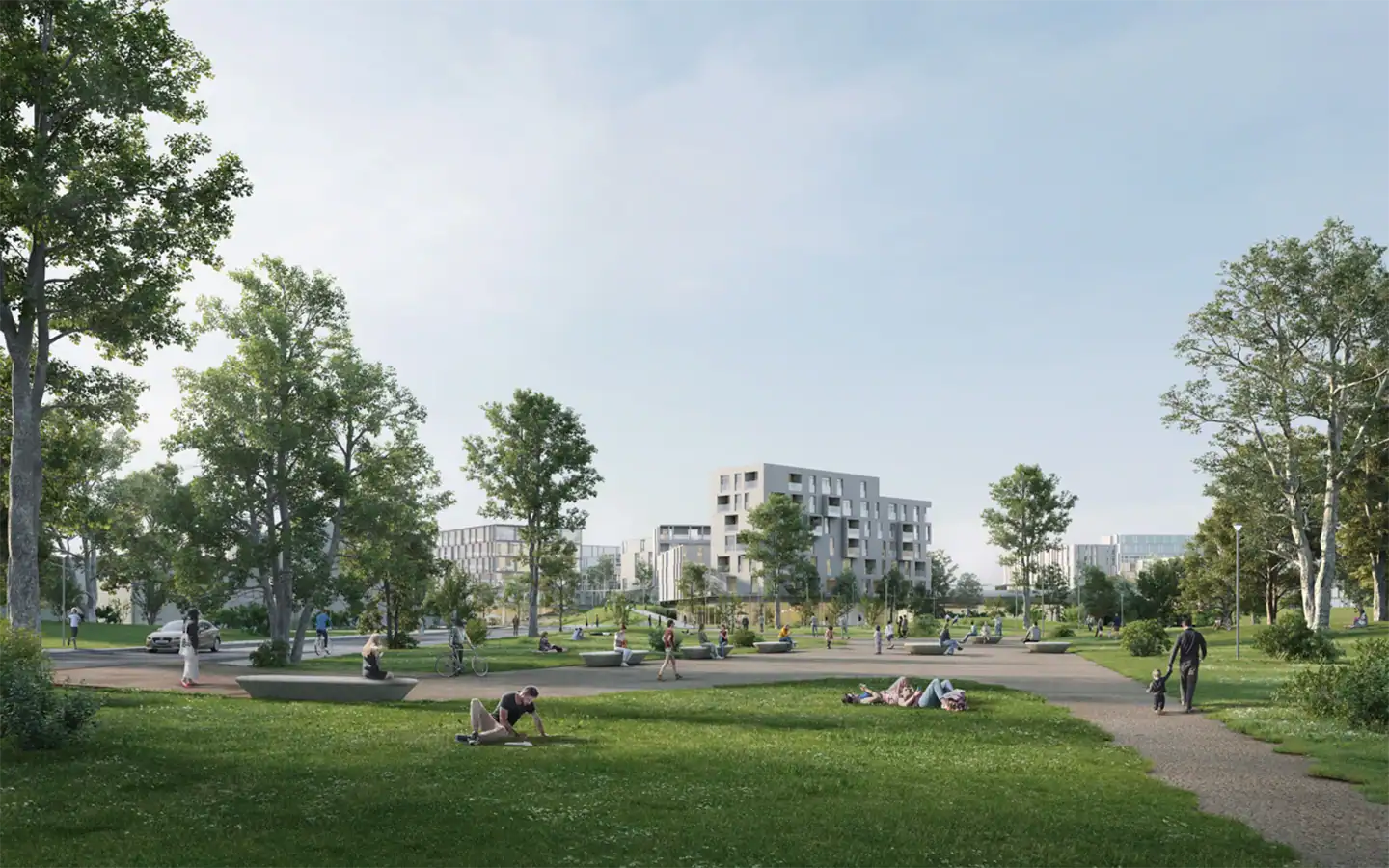
Old Bolzano waste-to-energy plant

New opportunities from an obsolete plant

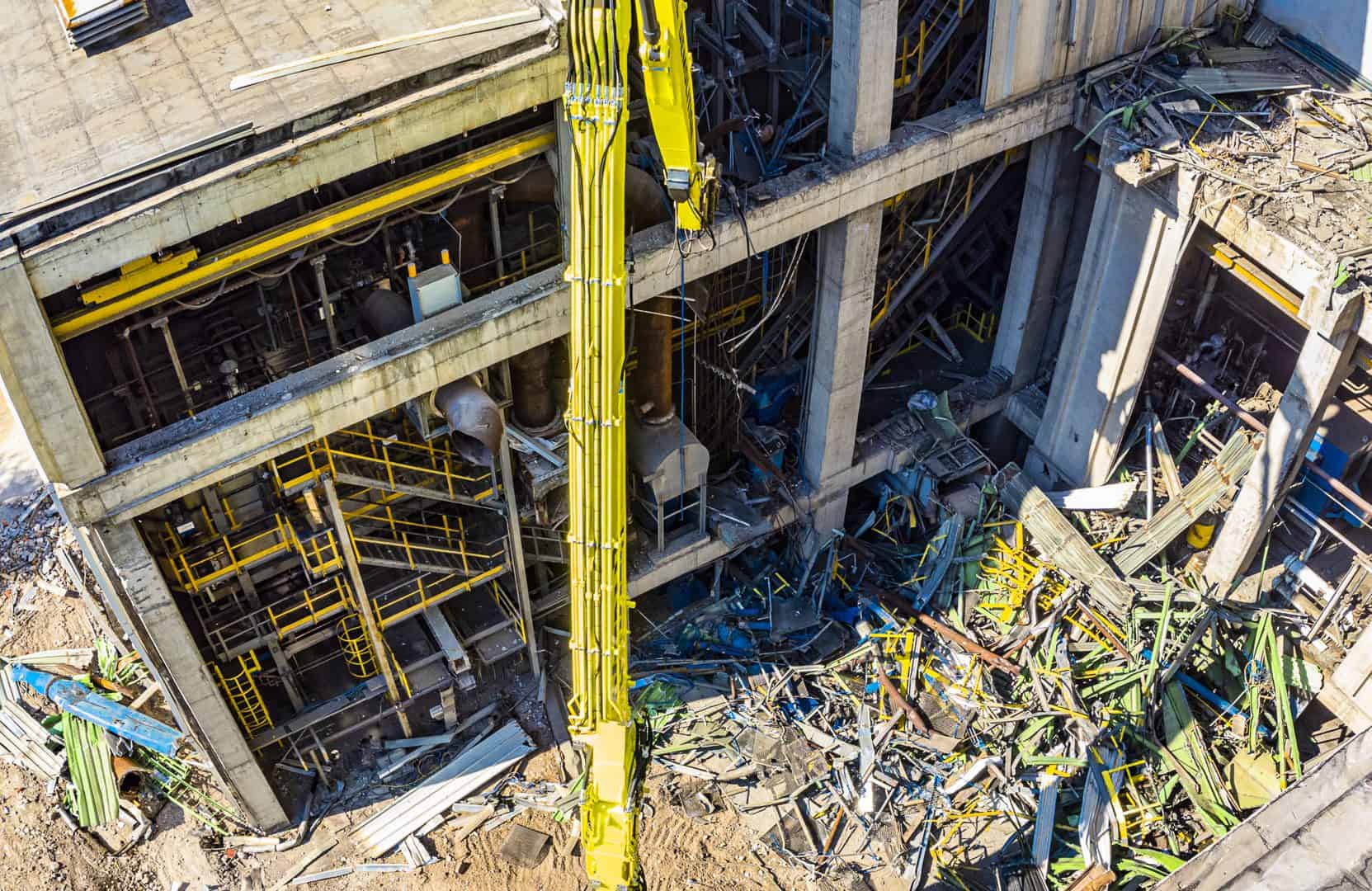
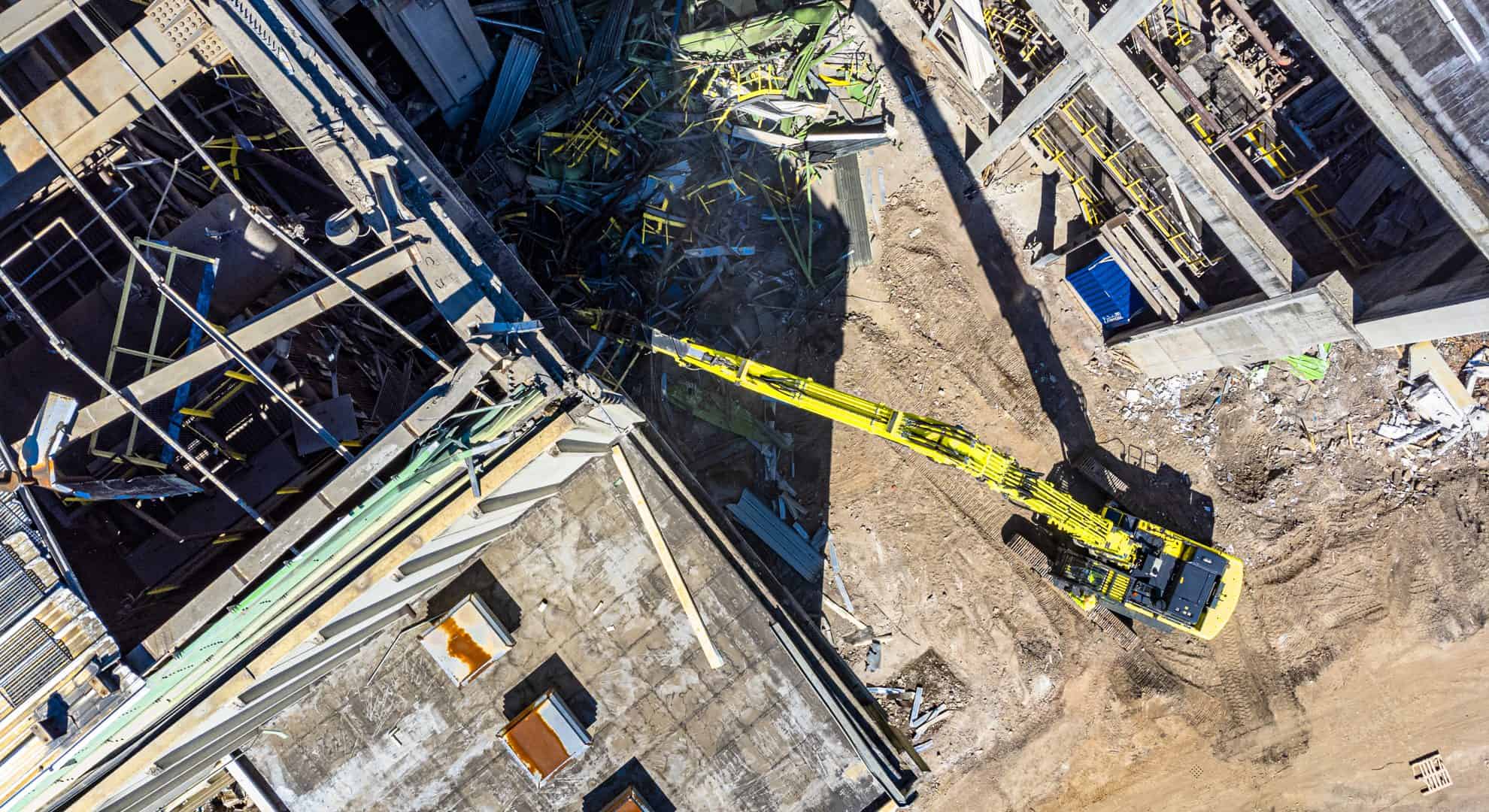
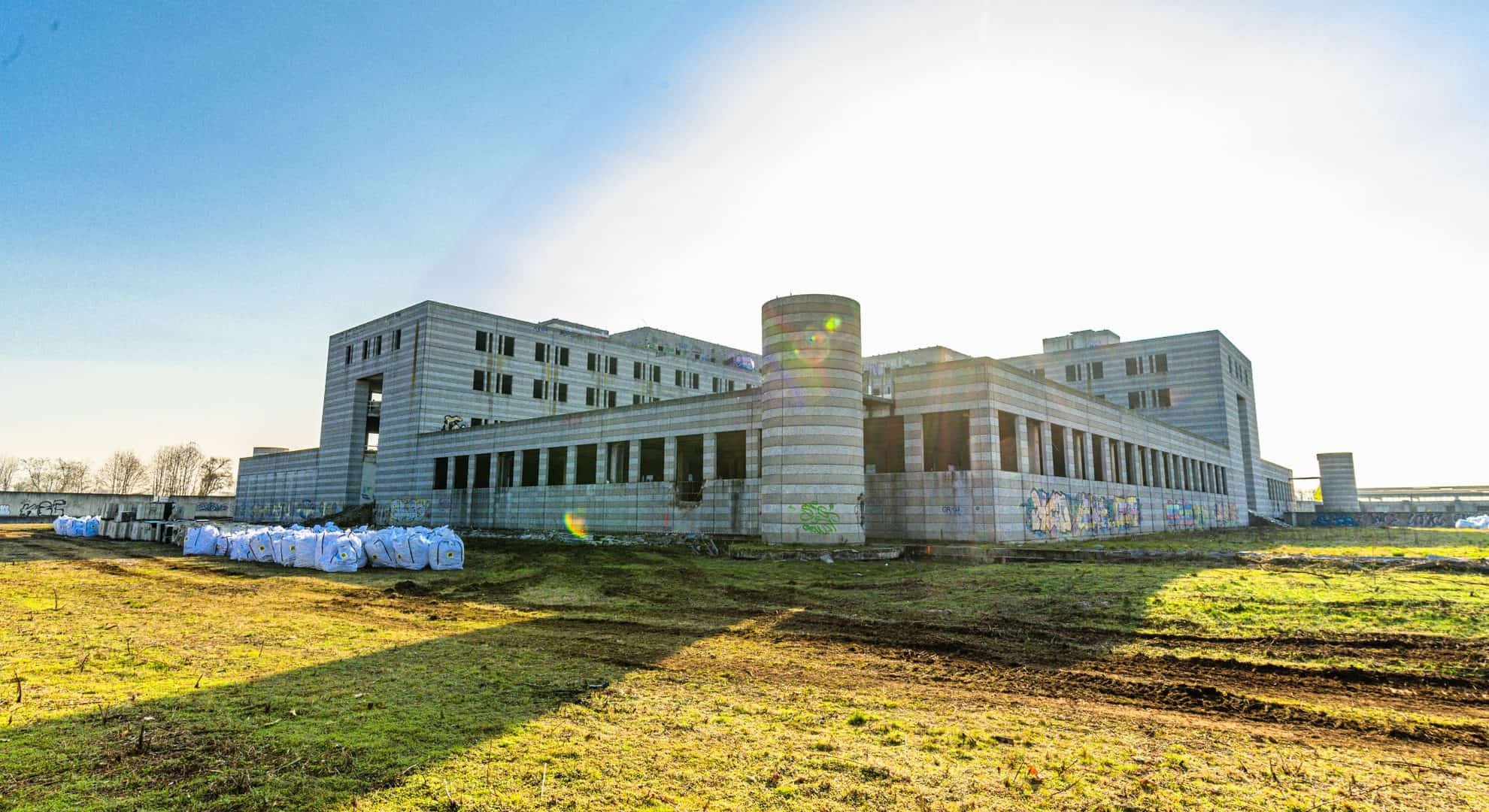
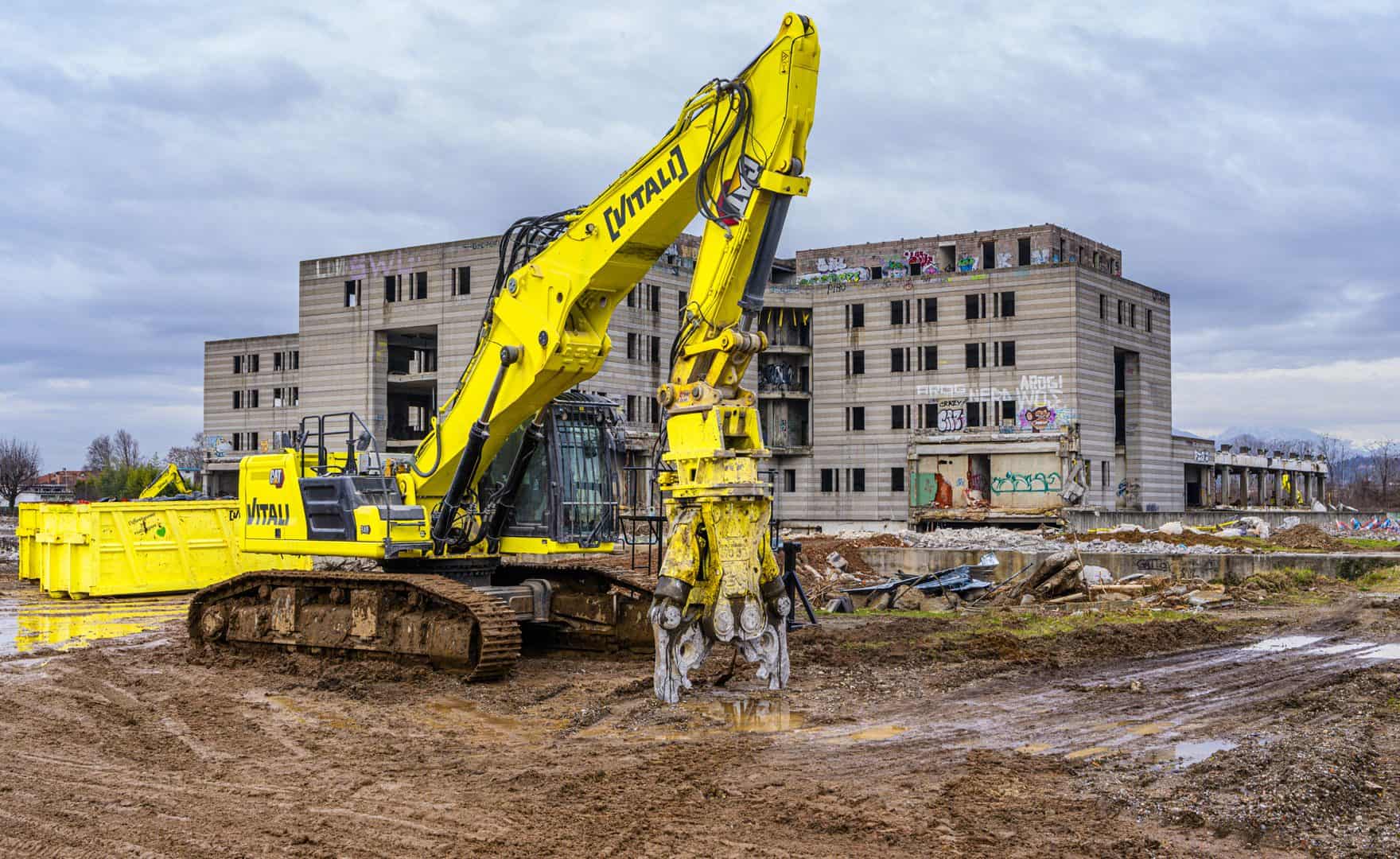
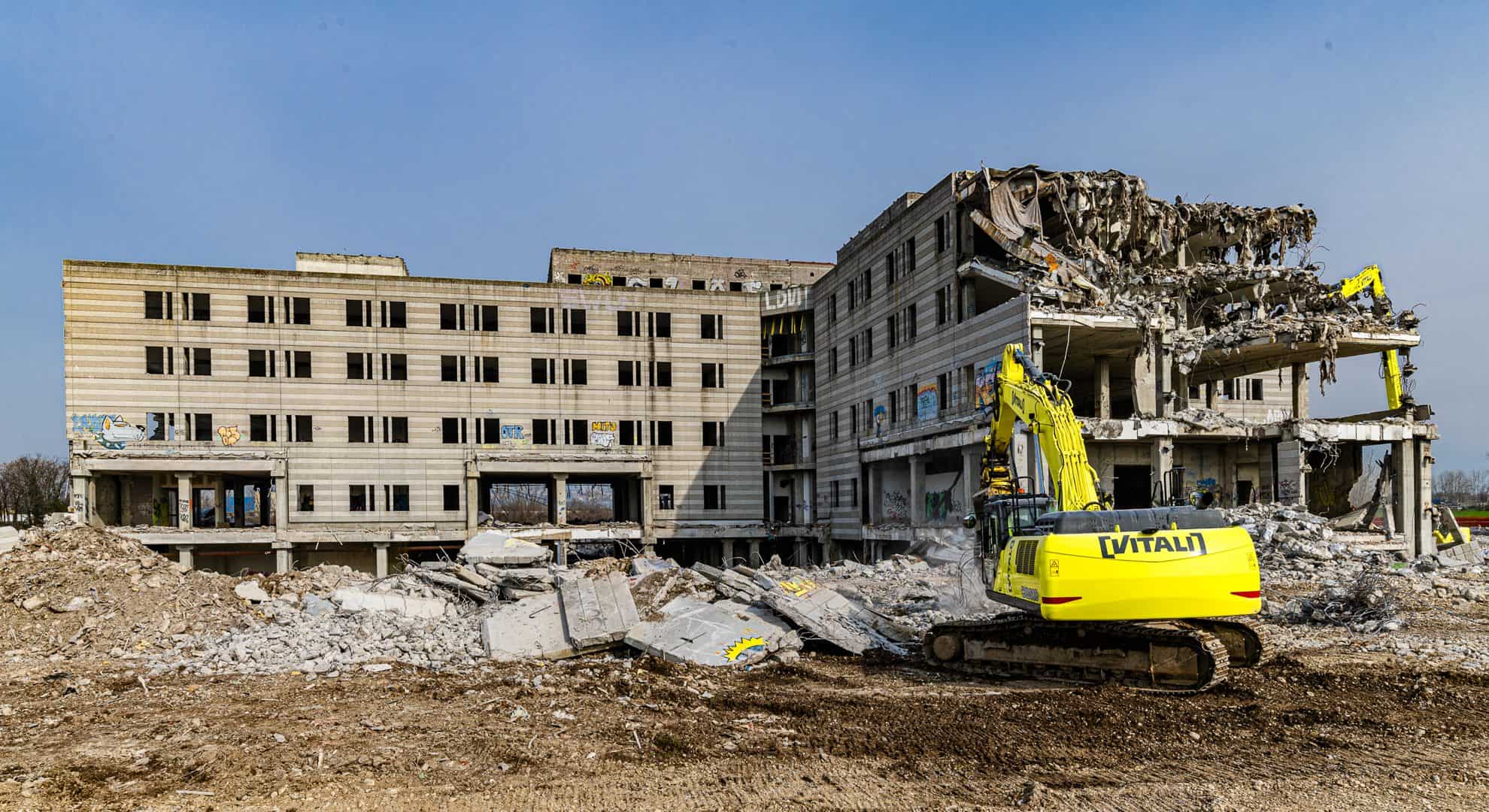
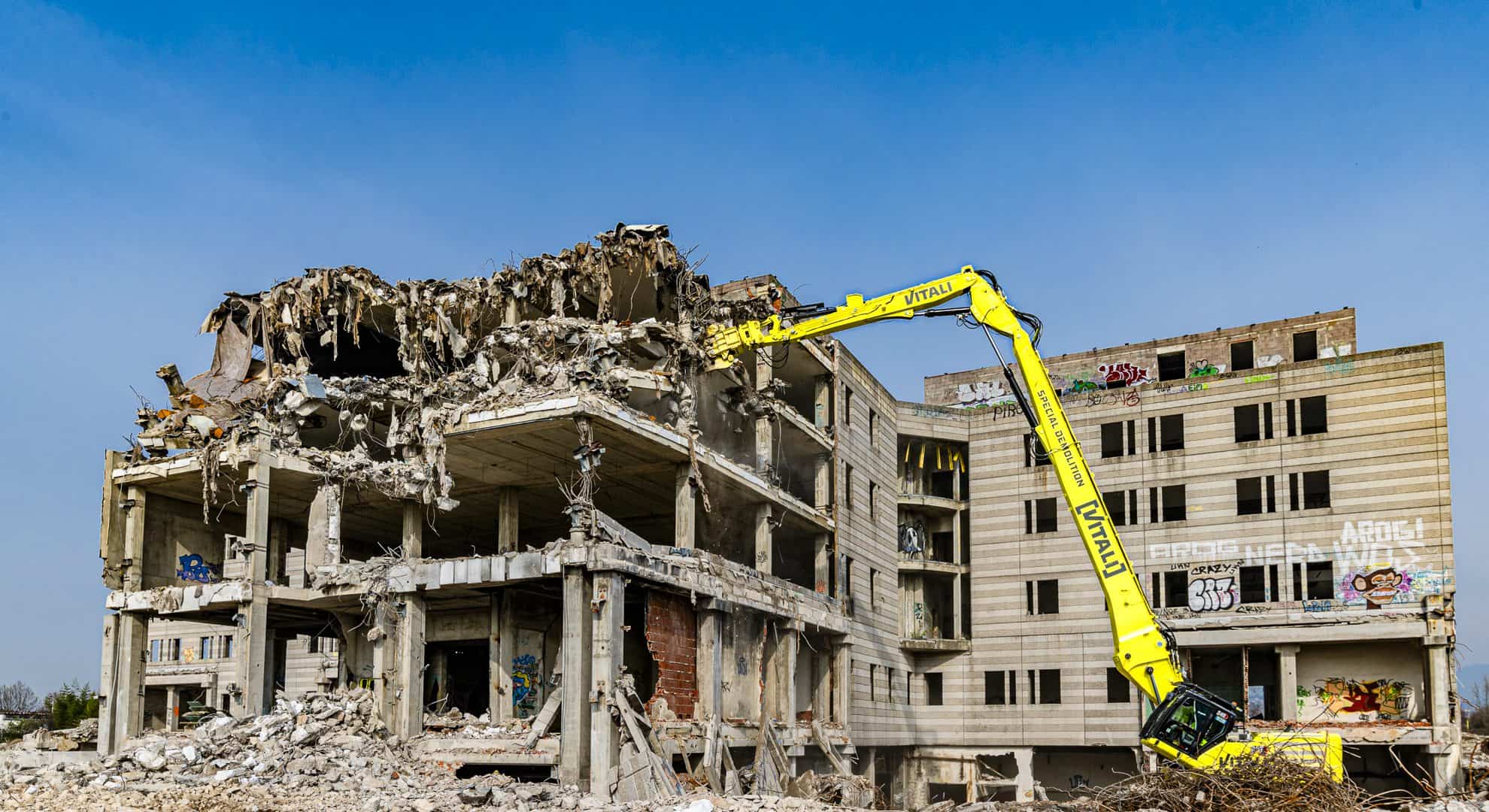
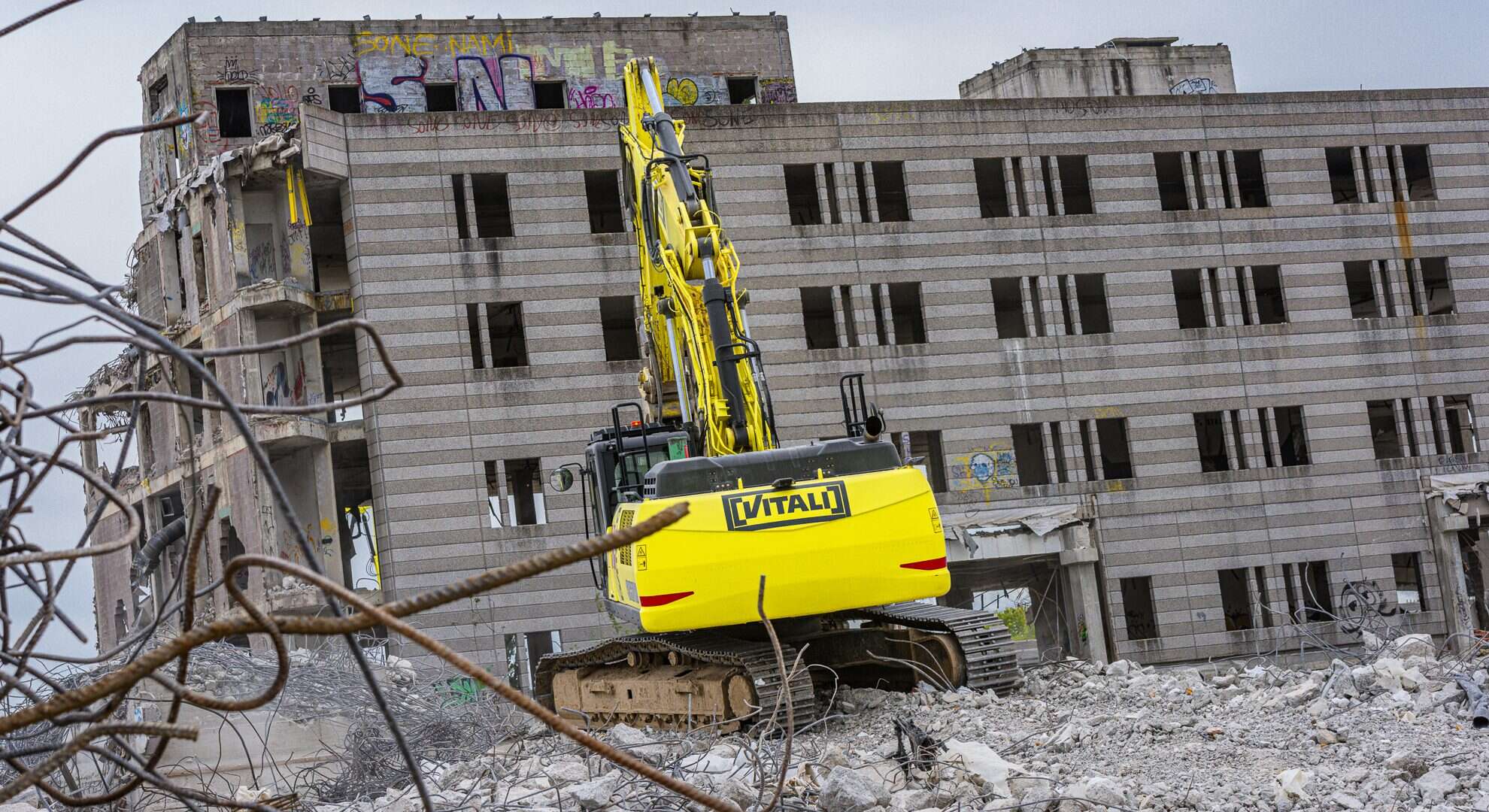
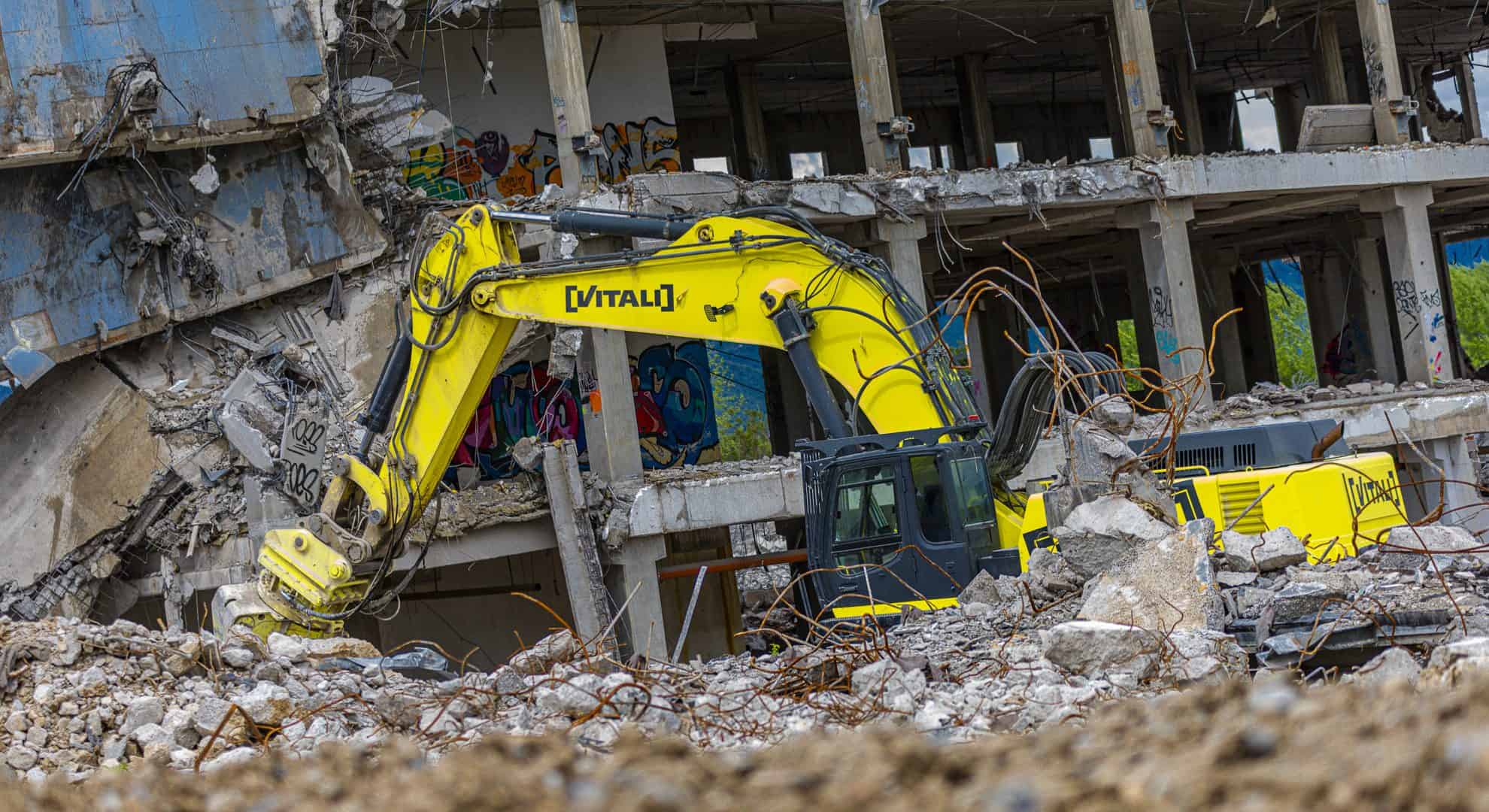
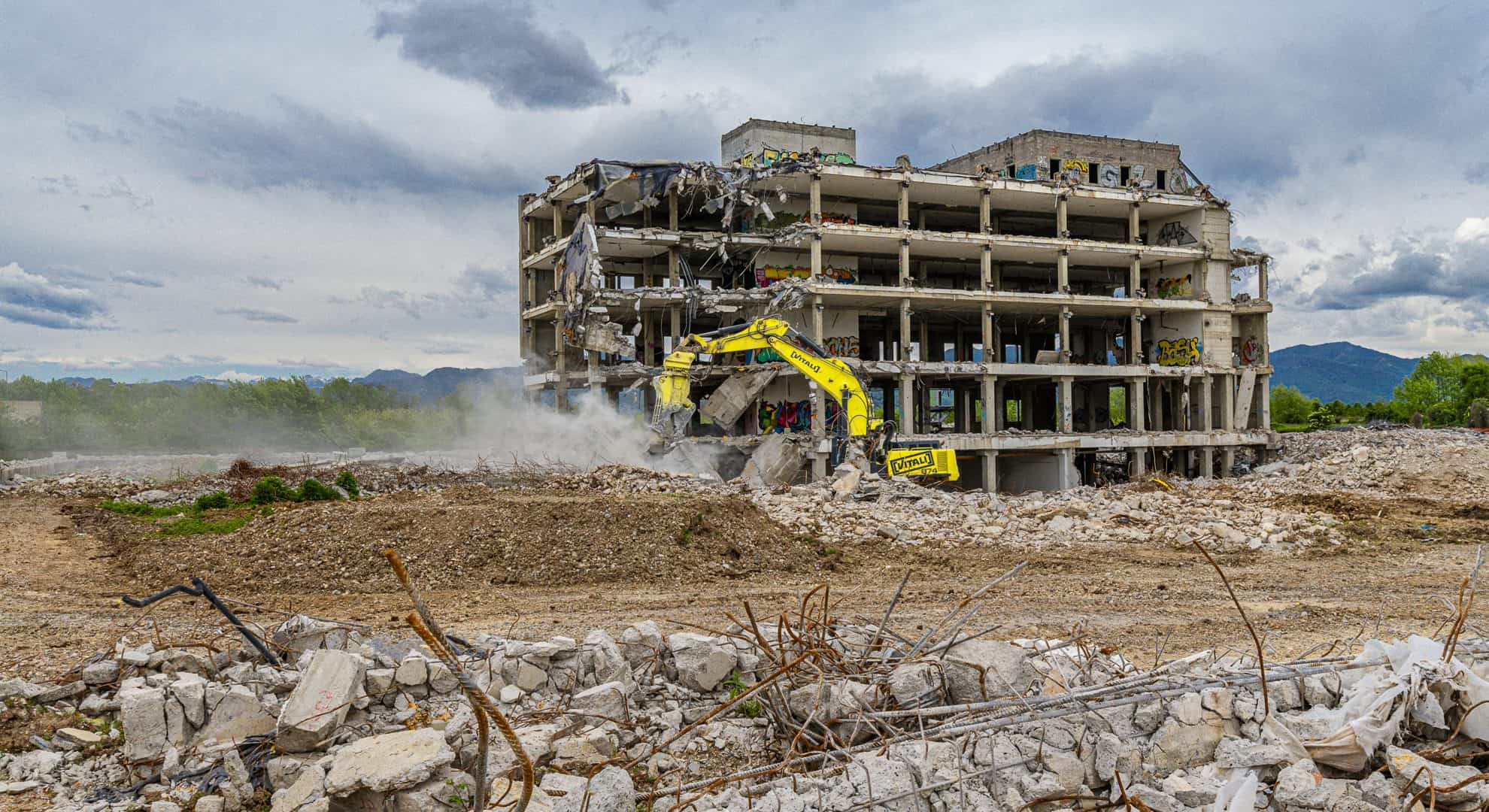
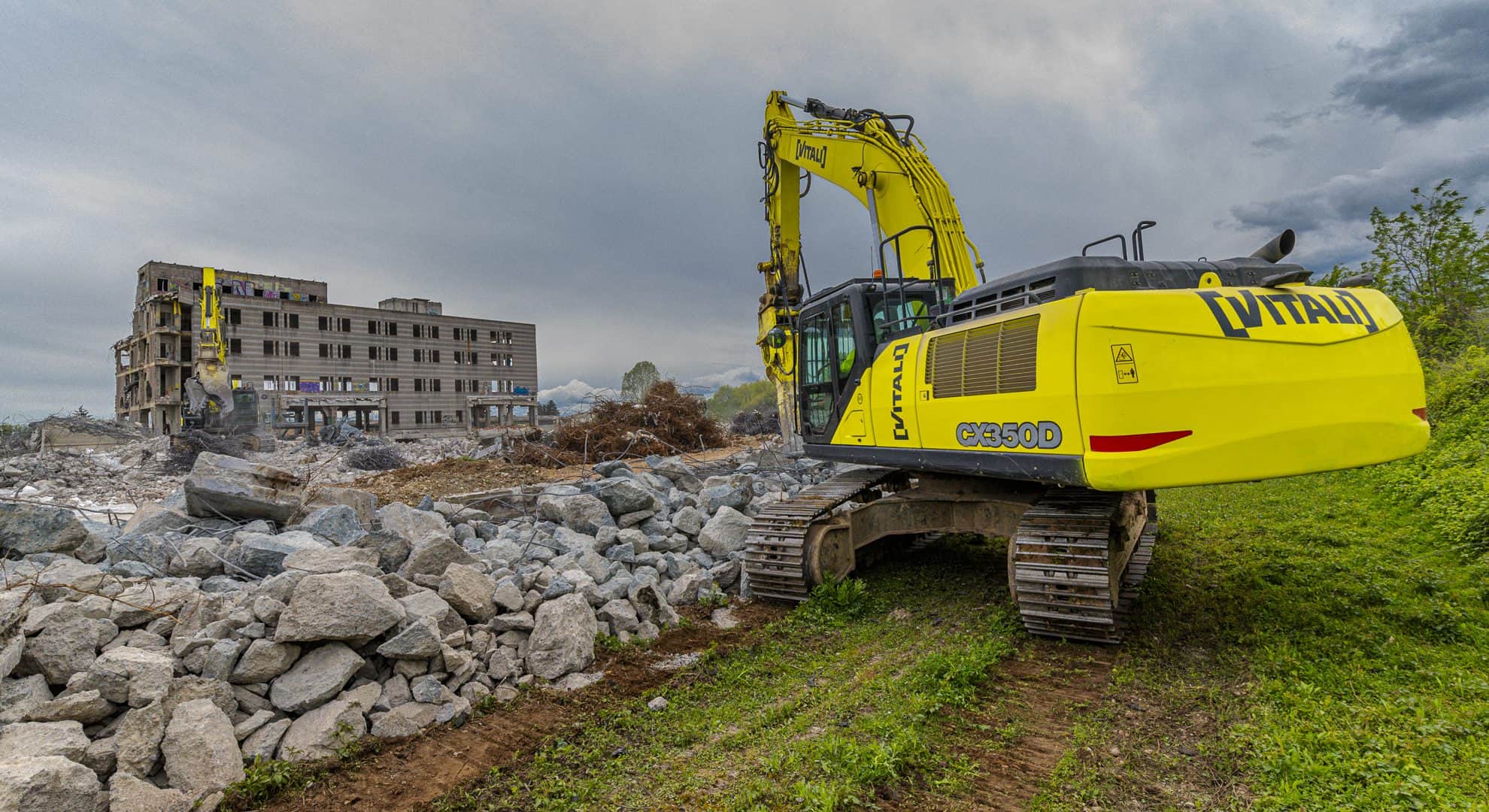
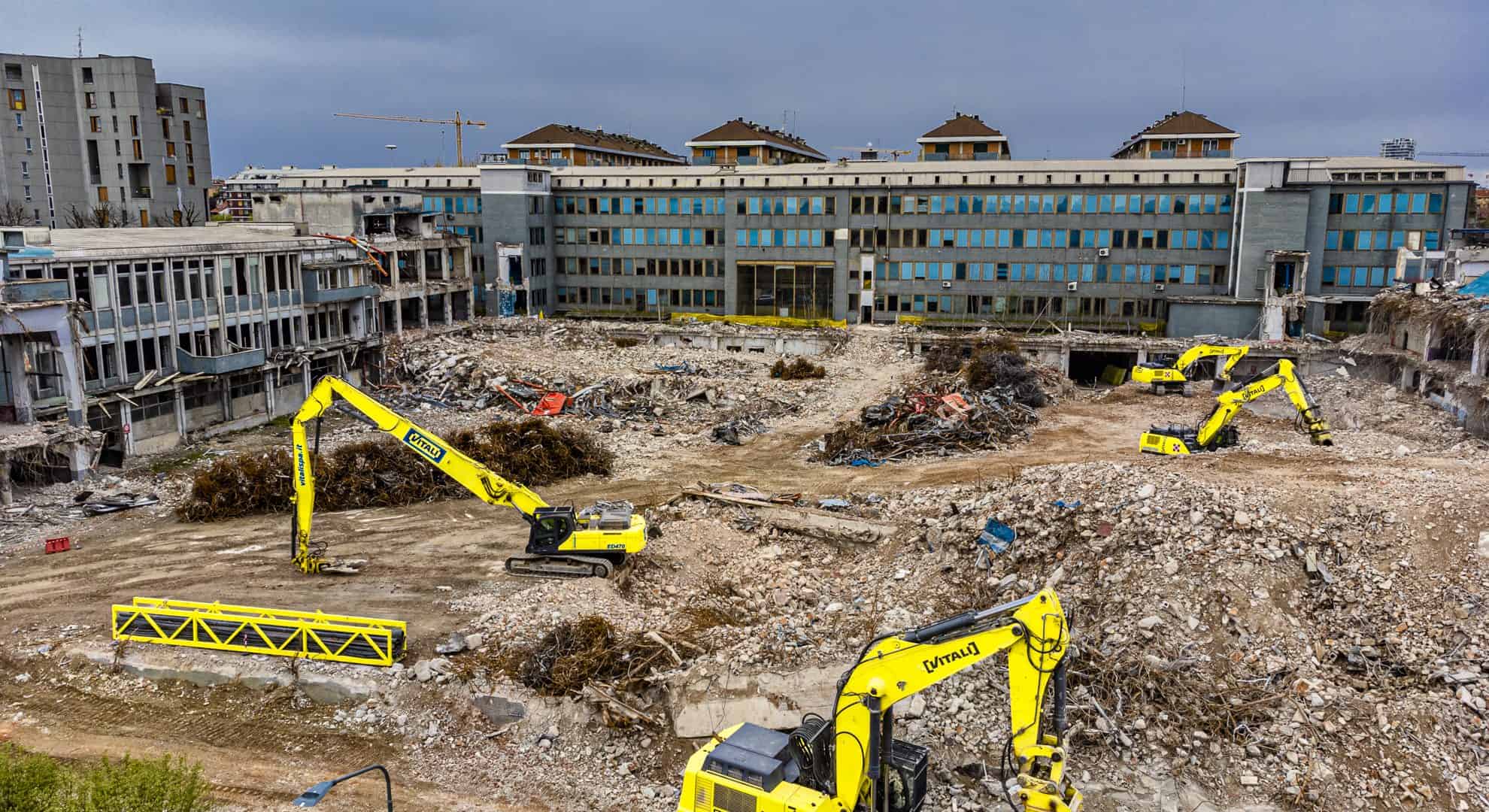
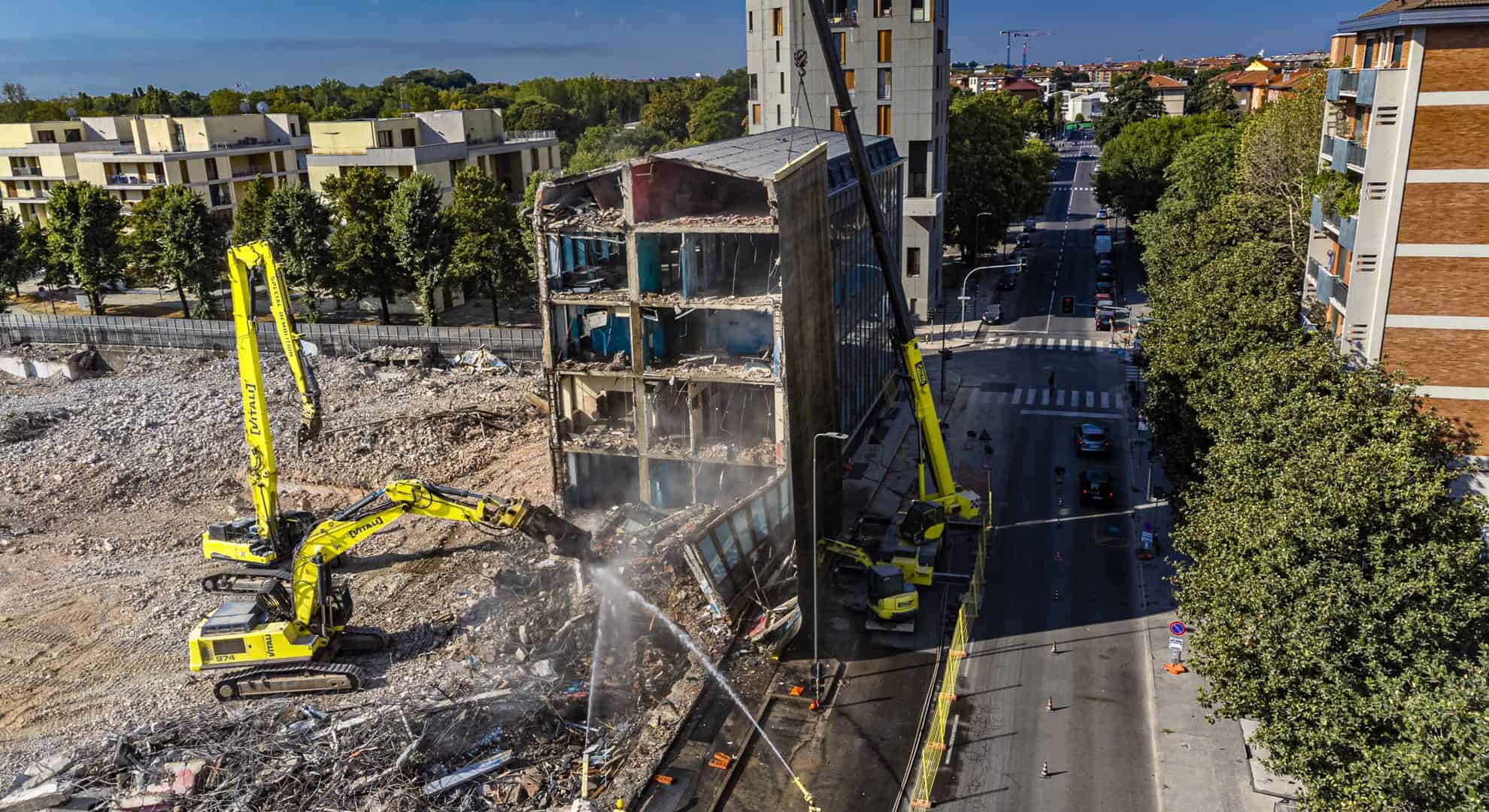
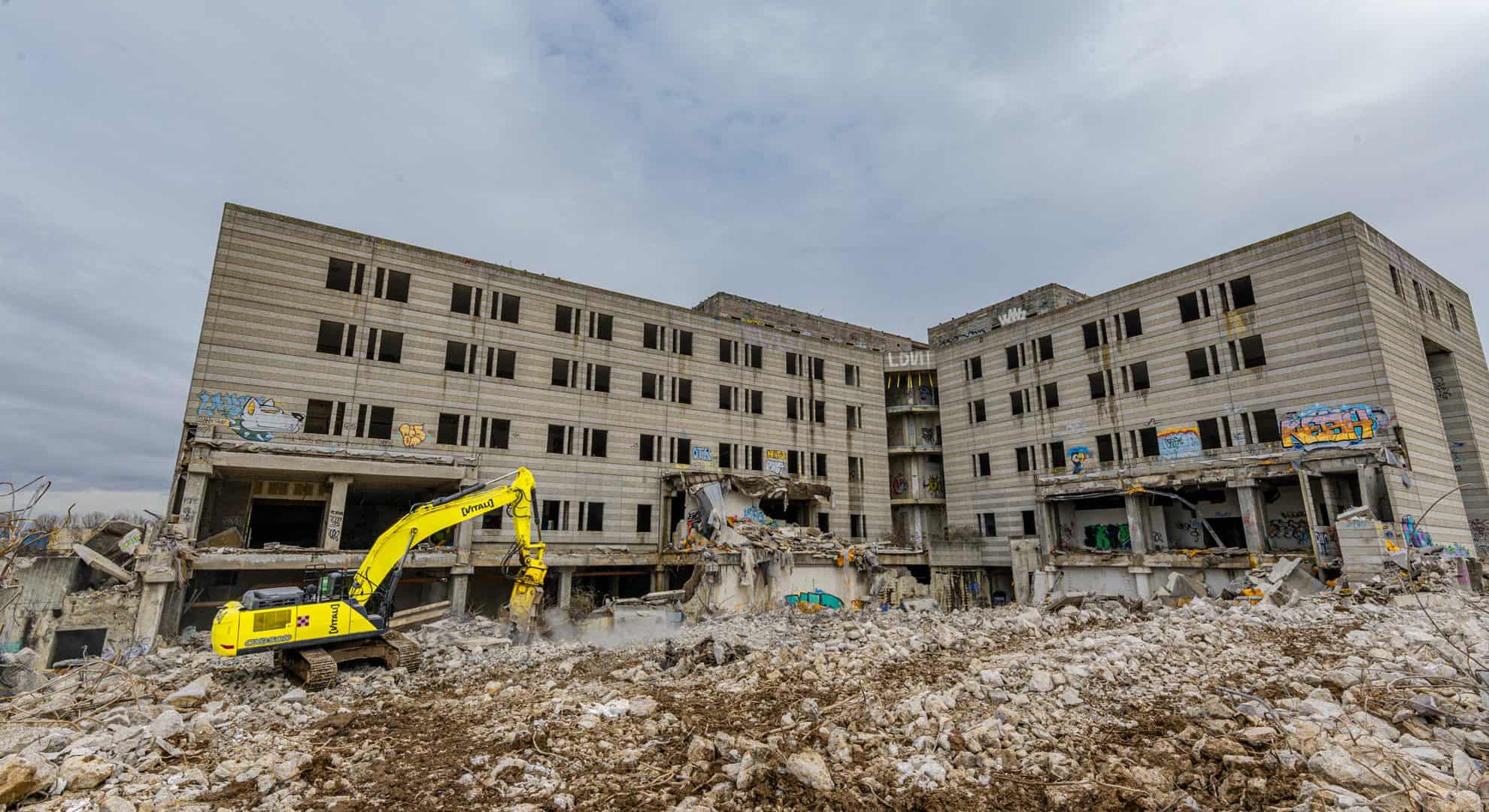
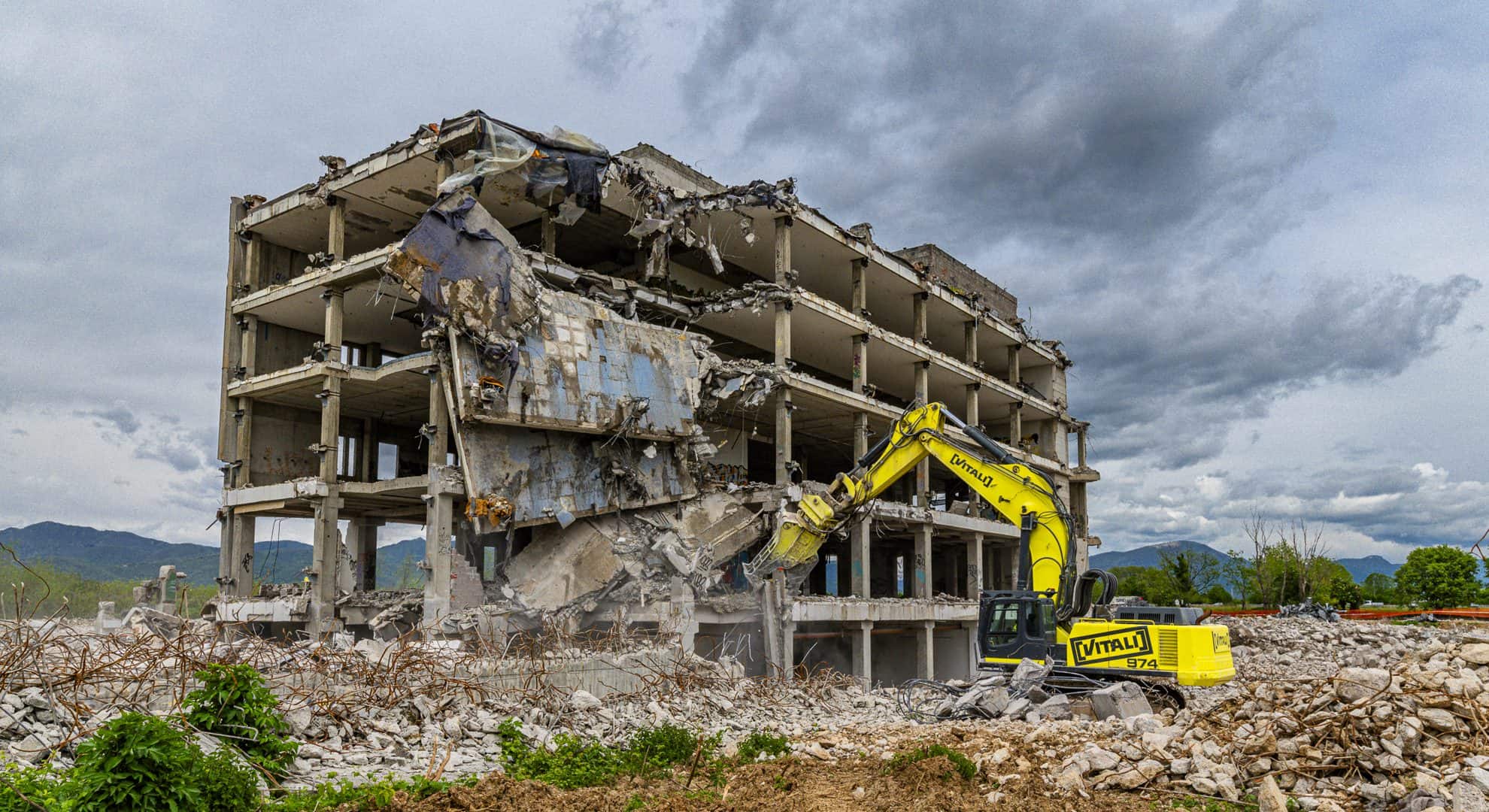
Demolition work on the old Bolzano waste-to-energy plant was commissioned by the Autonomous Province of Bolzano; about 8 months in total worth 2.7 million euros.

The plant, no longer in operation since 2013 and secured in 2015, consisted of two incineration lines, the first started in 1988, the second in 1996, each consisting of a waste incineration and heat recovery system, a flue gas cleaning section and a thermal cycle for energy production. The work was carried out without any obstruction to the new plant, which is adjacent to the construction site, so as to ensure the continuous operation of the new waste-to-energy plant, the viability along the Brenner Motorway and via Lungo Isarco Sinistro, and access to the workforce to the Seab warehouses.

Area 8.000 sqm
Phases 3
Value 2,7 mln

City Life

Safe and reclaimed space for Milan's new smart district

Perfectly in line with the company's mission, the Vitali Group is engaged in a project marked by sustainability and respect for the environment.

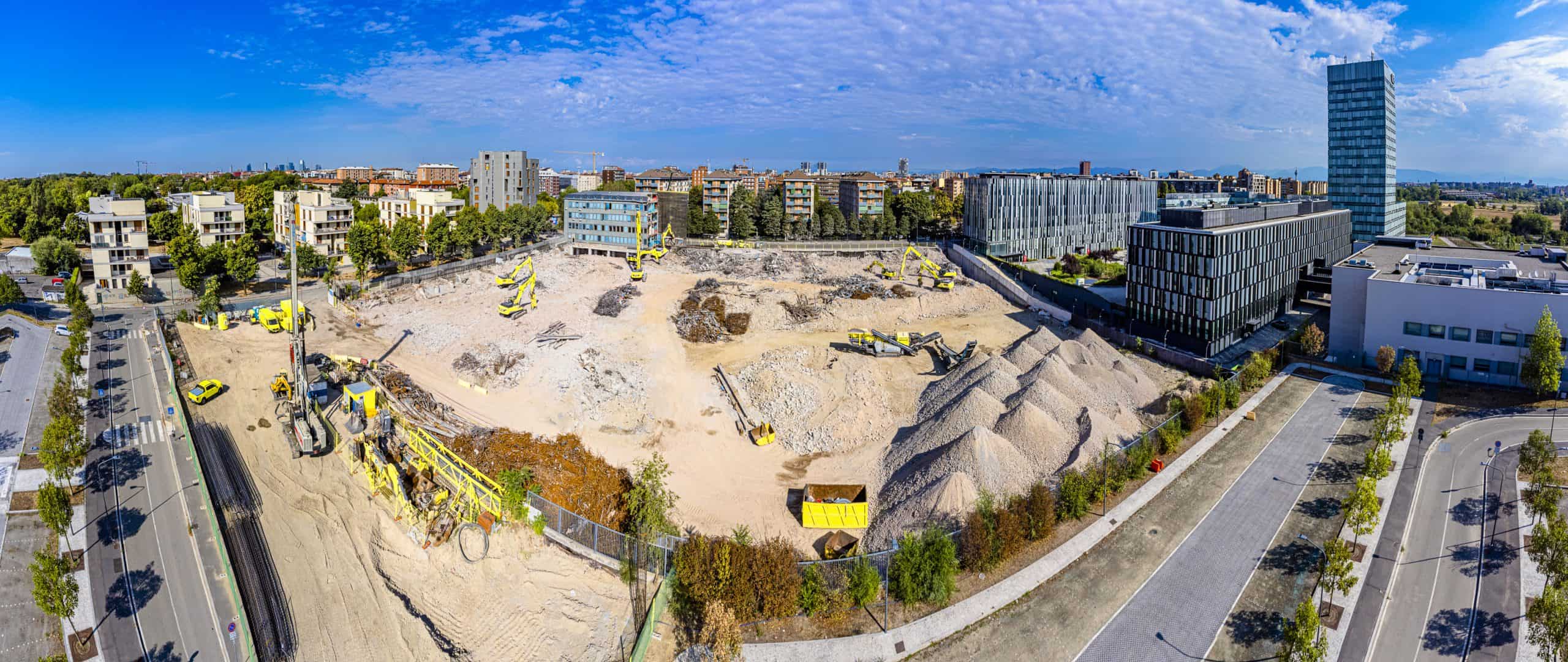
A new job order is currently underway for the demolition, reclamation, support works and construction excavation of Milan CityLife, one of the largest redevelopment projects in Europe, considering a total intervention area of 366,000 square metres and a transformation involving an articulated and balanced mix of public and private functions, including residences, offices, shopping, services, green areas and public spaces. The demolition of the buildings in the hinterland, the construction of the special works (piles and micropiles) and the soil reclamation are preparatory to the construction of two new office buildings connected by an architectural element in the shape of a wave: City Wave, otherwise known as “the lying down”. Padel Pavillon As part of the broader CityLife urban regeneration project, the Vitali Group is also playing a leading role in the construction of the new Padel Pavillon, a modern and avant-garde structure designed to meet the growing demand for quality sports spaces in urban areas. The Padel Pavillon represents a meeting point between architecture, wellness and social inclusiveness. The intervention consists in the construction of a pavilion dedicated to the practice of padel, a discipline that is constantly growing in number of fans and aggregative value. The project fits coherently and harmoniously into the existing urban fabric, enhancing the surrounding spaces and contributing to the creation of a dynamic and participatory environment. The Padel Pavilion is an important part of a broader vision of a sustainable, modern and people-centred city, where attention to individual wellbeing translates into quality spaces, designed to improve the daily lives of those who live in and pass through them.
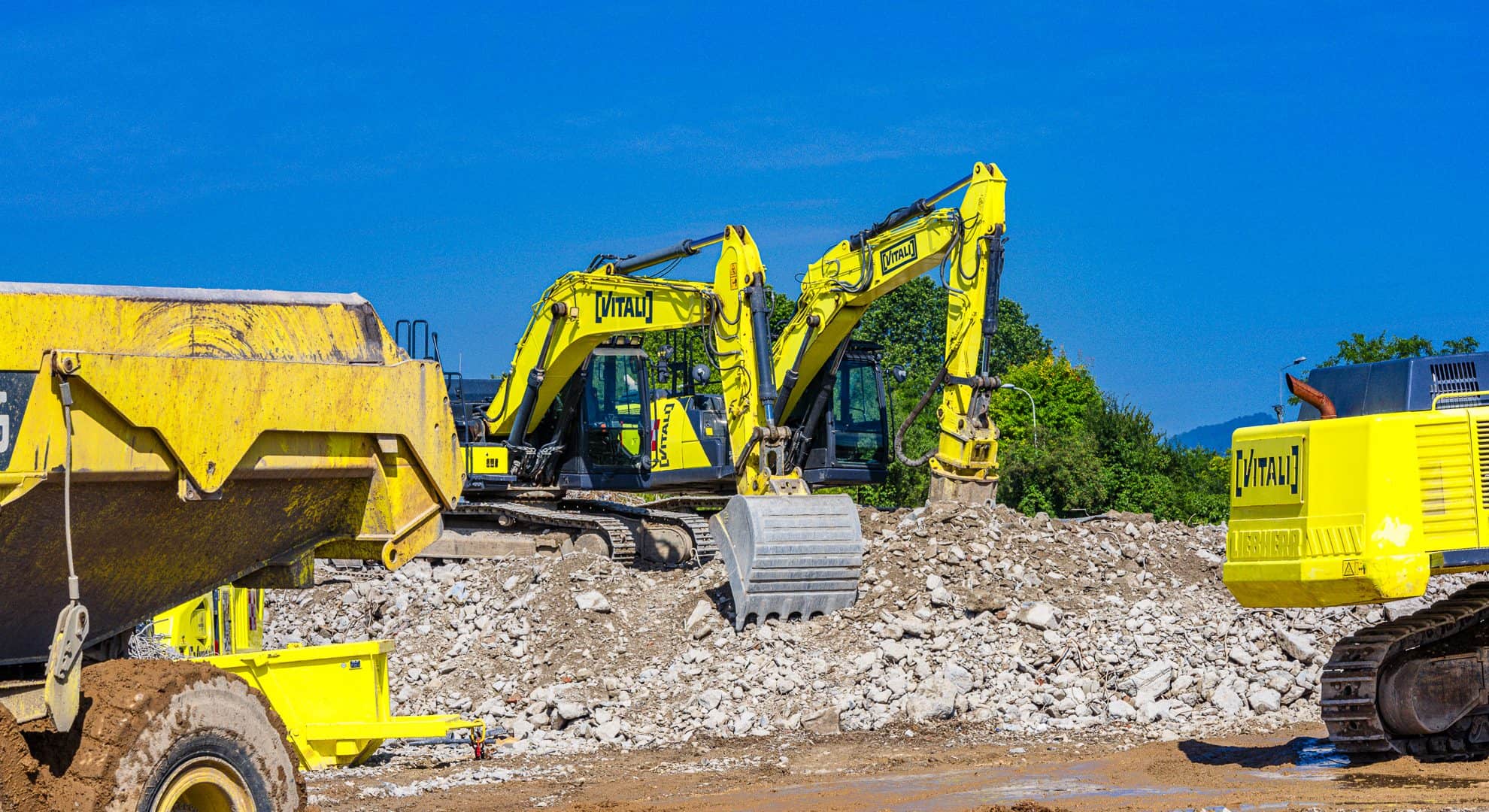
Demolished area 21,000 sqm
Excavated volume 171,000 cubic metres

Orti Nuovi, ex Canossiane

A historic building becomes a new residential neighbourhood

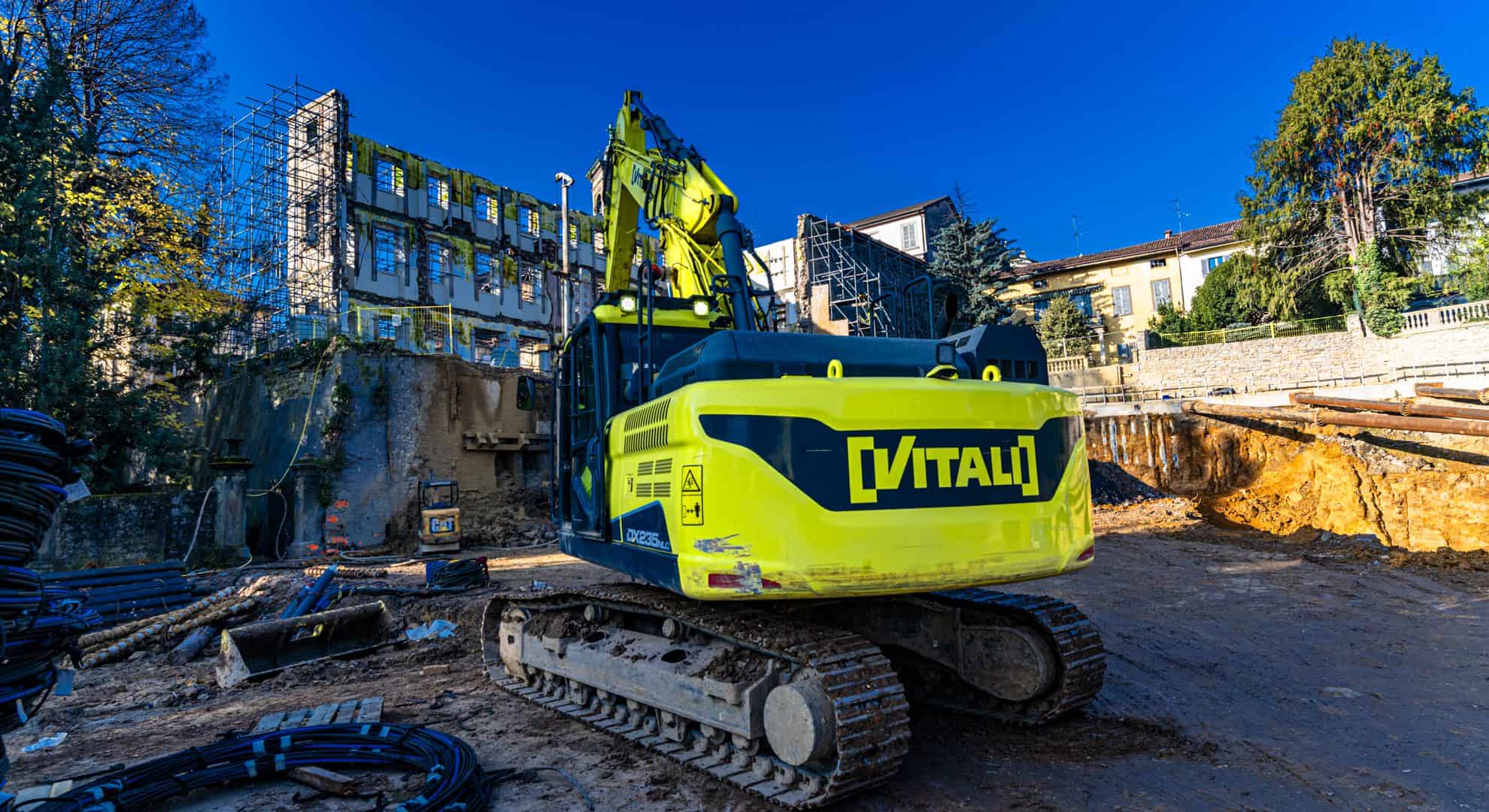
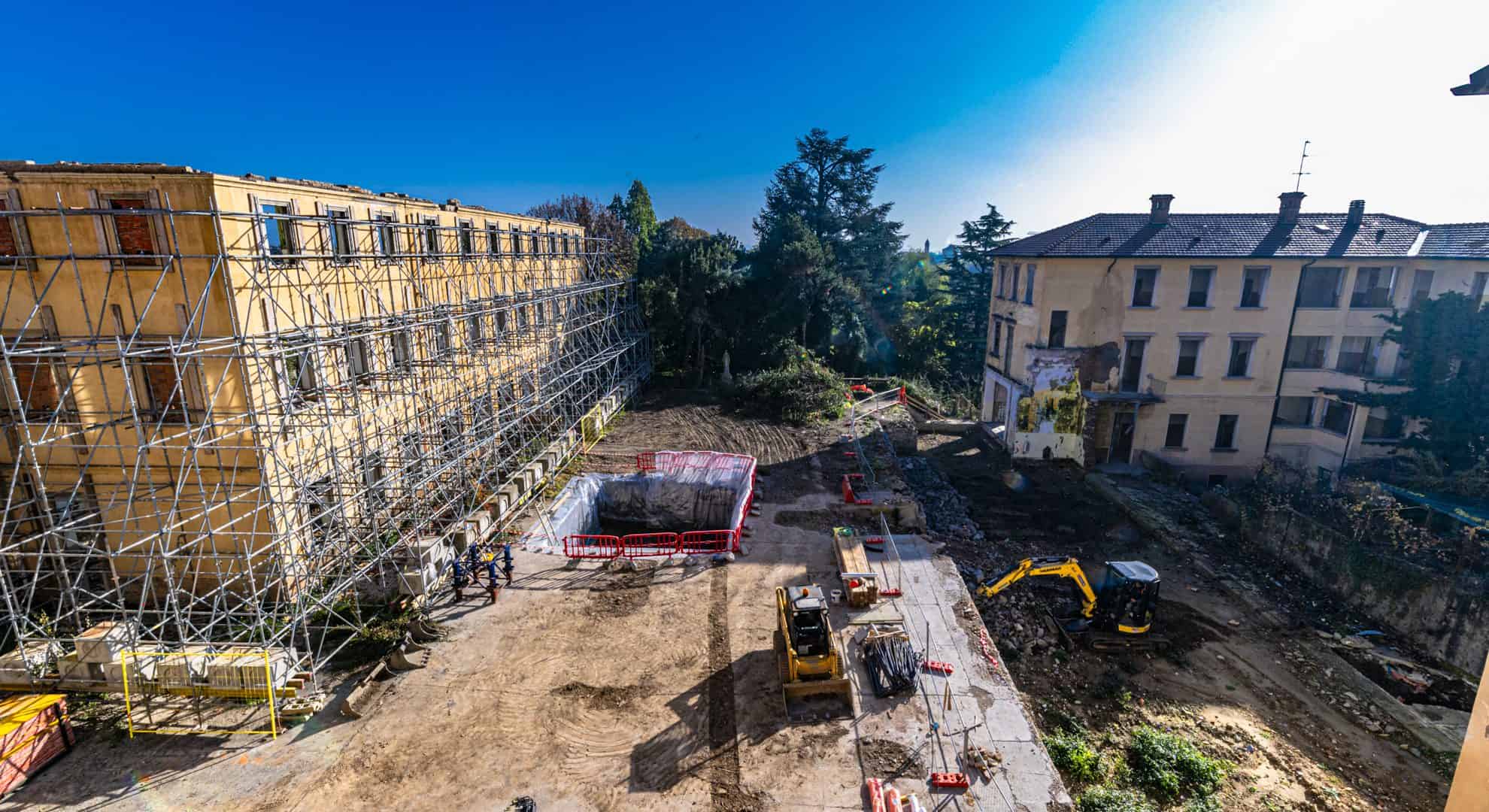
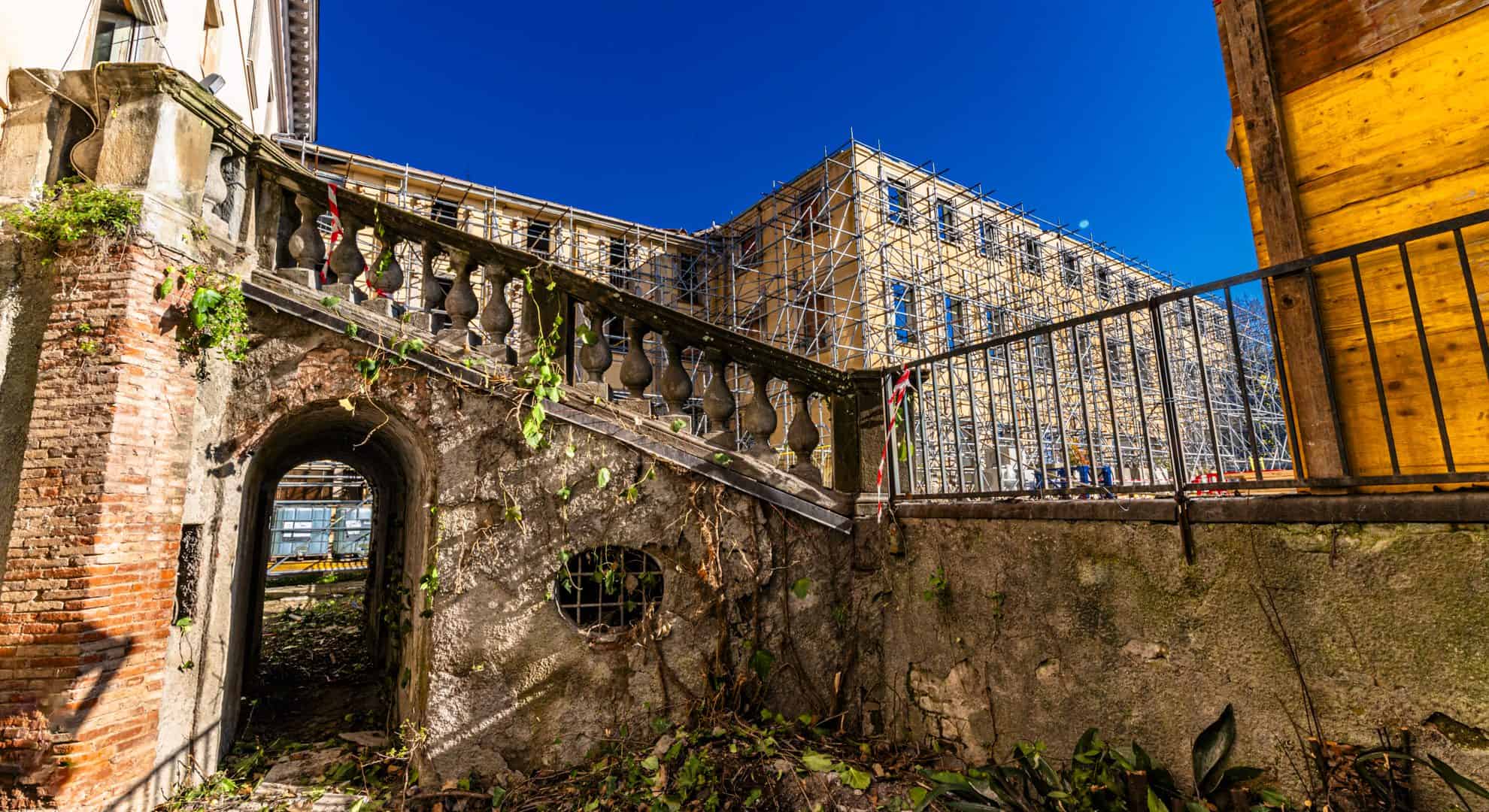
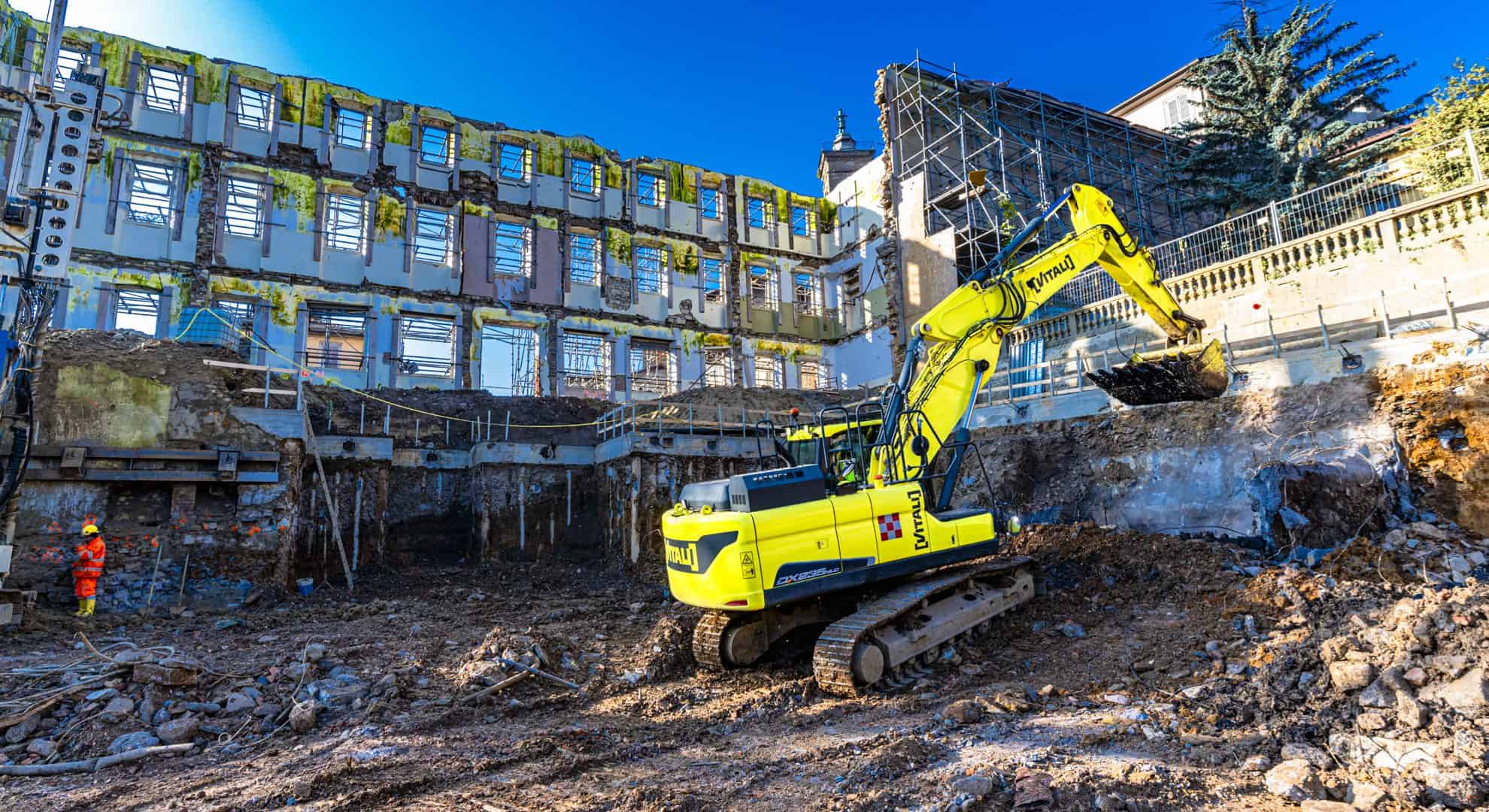
In the heart of Bergamo, Vitali S.p.A. has played a leading role in the “Orti Nuovi” project, an urban regeneration project that will transform the former Canossian Sisters' complex in Via San Tomaso into a new residential and cultural space, under the banner of sustainability and respect for history.

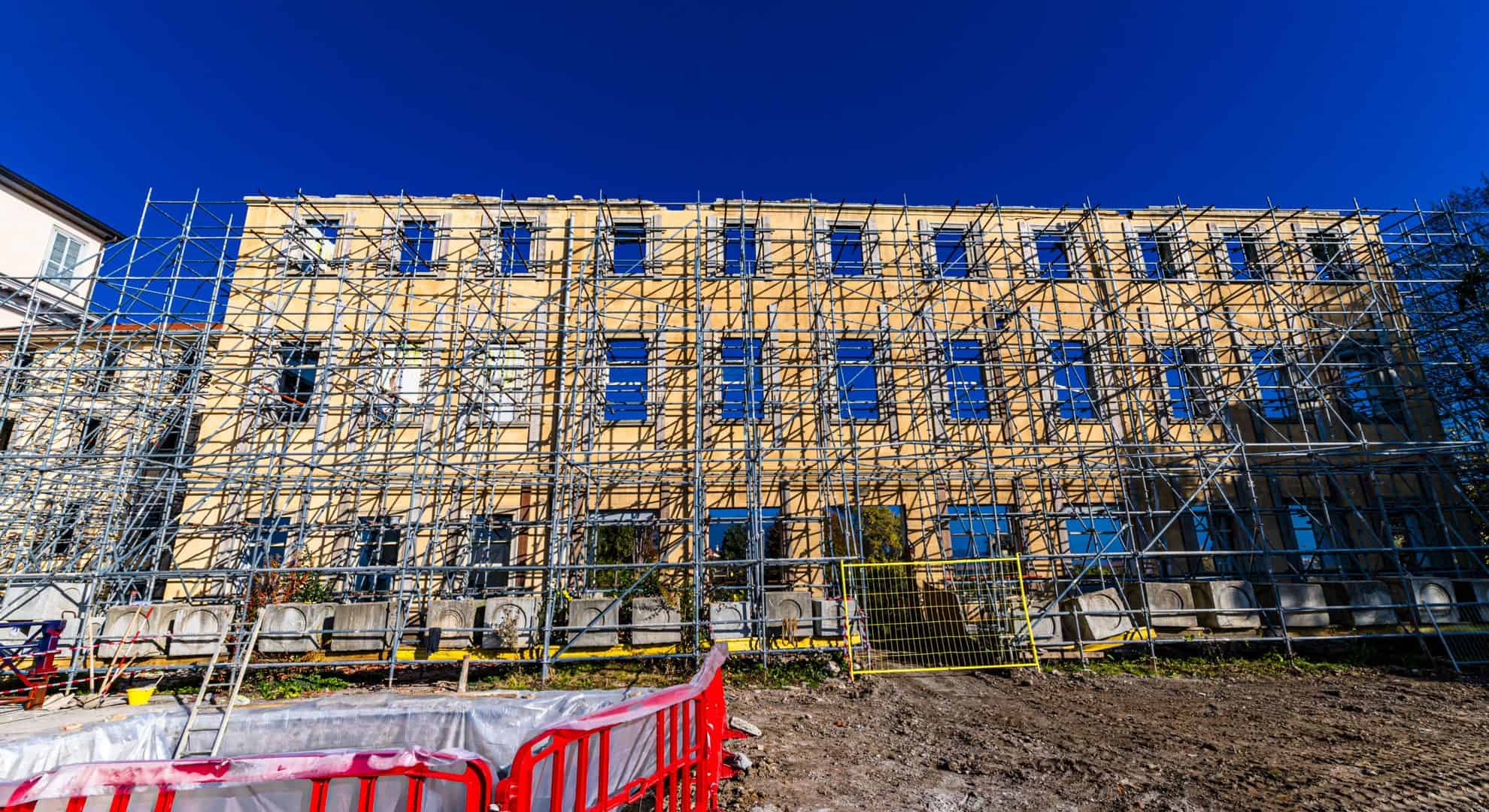
Demolition work, which began in 2023, has involved the most degraded parts of the complex, with work carried out in a controlled manner and with low environmental impact. The project envisages the construction of 62 high-quality flats, with private gardens, coworking spaces, offices and common areas, in a balance between contemporary architecture and historical memory. A new cycle and pedestrian path will connect Via San Giovanni with the GAMeC courtyard, crossing the canal on a footbridge and integrating with the Suardi park. In addition, the historic Orti di San Tomaso area will be handed over to the municipality, doubling the public green space in the area and offering new spaces for the community. ‘Orti Nuovi’ is a concrete example of sustainable regeneration: a place that combines living, culture and nature, restoring value and identity to a historic area of the city.

Ex centro servizi

New liveable and safe space for the city of Bergamo

In December 2023, an agreement was signed between the Municipalities of Bergamo, Orio al Serio and Azzano San Paolo, in collaboration with Vitali S.p.A. and A2A S.p.A., to launch a shared urban regeneration project for the area known as the ‘Ex Centro Servizi’. This area, located in the territory of the Municipality of Bergamo and adjacent to the municipal borders with Orio al Serio and Azzano San Paolo, covers a total land area of approximately 47,316 square metres.

The existing building, which had been abandoned for years and was in an advanced state of decay, represented a critical issue for the urban context and the area’s safety. The redevelopment of the site was therefore necessary for reasons of hygiene, urban decency and public interest. Preliminary strip-out activities started at the end of 2023, while the actual demolition started in January 2024. These interventions constitute the first phase of a large urban transformation project, aimed at the construction of a new logistics building. The new development has been focused on environmental sustainability and energy efficiency, with the aim of obtaining BREEAM certification. The project aims to restore value to the area, integrating it harmoniously into the urban fabric and contributing to the overall redevelopment of the area.

Area 47,300 sqm

Area Rizzoli

A symbolic and sustainable demolition

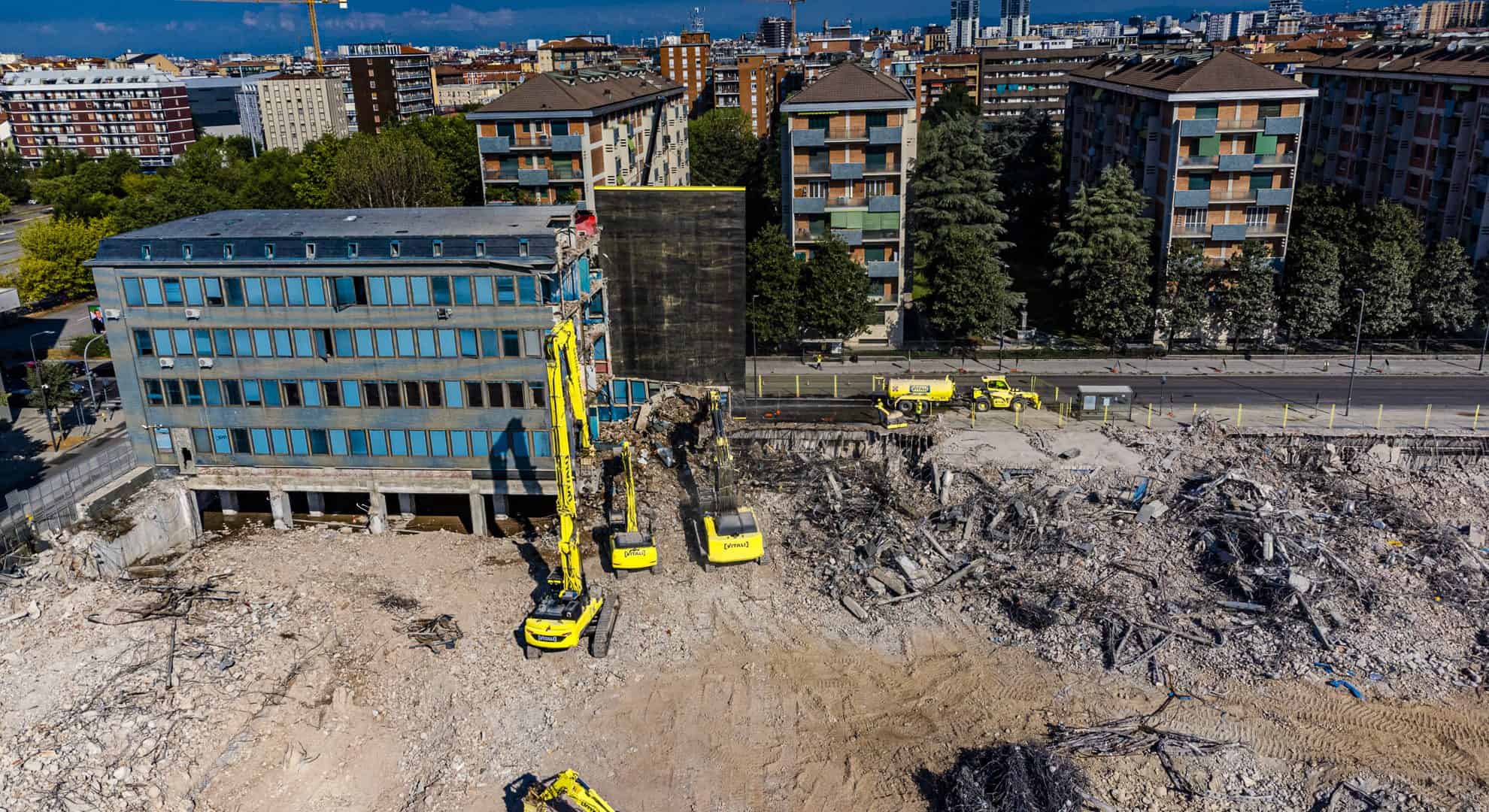
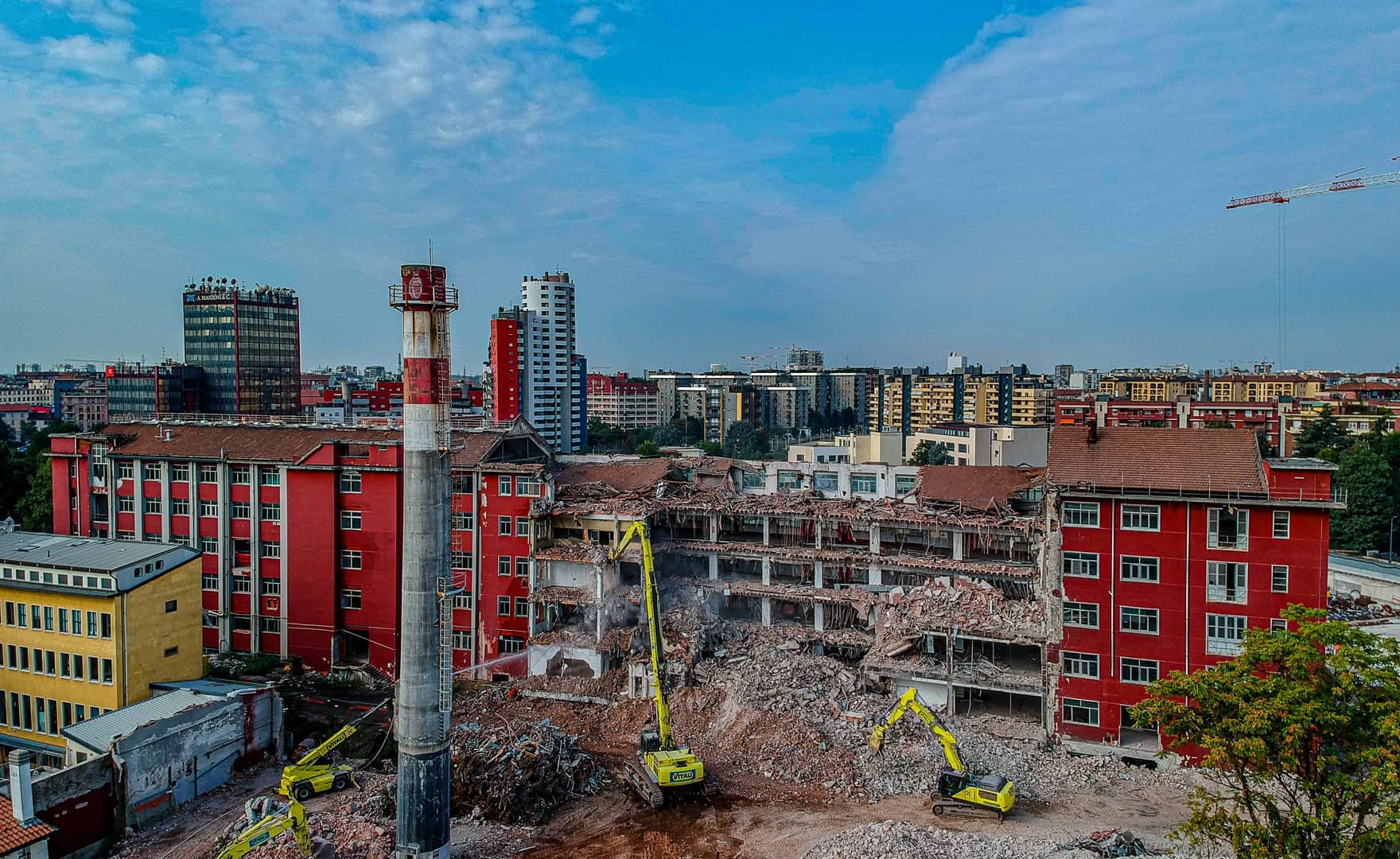
The demolition of the RCS Media Group S.p.A. building in Via Rizzoli, Milan, is a significant example and fits into a broader context of redevelopment of the entire area: one year of work and a total area divided into 6 lots for a total volume of 161,500 cubic meters.

The decommissioned industrial complex will be replaced by a neighbourhood known as “bio-friendly”, inspired by sustainability and welfare criteria. Strip-out works and the removal of waste and plastic materials, Wood and metal were carried out according to the specifications provided by the U.S. Green Building Council, which regulates the construction of the property and its subsequent life cycle with a view to obtaining the Leed (Leadership in Energy and Environmental Design) certification at the design stage.

Volume demolished 161.500 m³

RCS Media Group Corriere della Sera

A symbolic intervention that paves the way for renewal

An intervention with strong symbolic significance This project involves the demolition of the RCS Media Group S.p.A. building on Via Rizzoli in Milan, as part of a broader redevelopment of the entire area. The works lasted one year and concerned a total area divided into six lots, with an overall volume of 161,500 cubic metres.

From a technical standpoint, this was not a straightforward intervention: part of the buildings had to remain fully operational throughout all demolition phases.

In particular, Lot 6 – “Martinelli Project” – housed not only offices but also the staff canteen and other corporate services. For this reason, the intervention plan was developed in several phases, allowing the relocation of ongoing activities without limiting or slowing down RCS’s normal business operations.

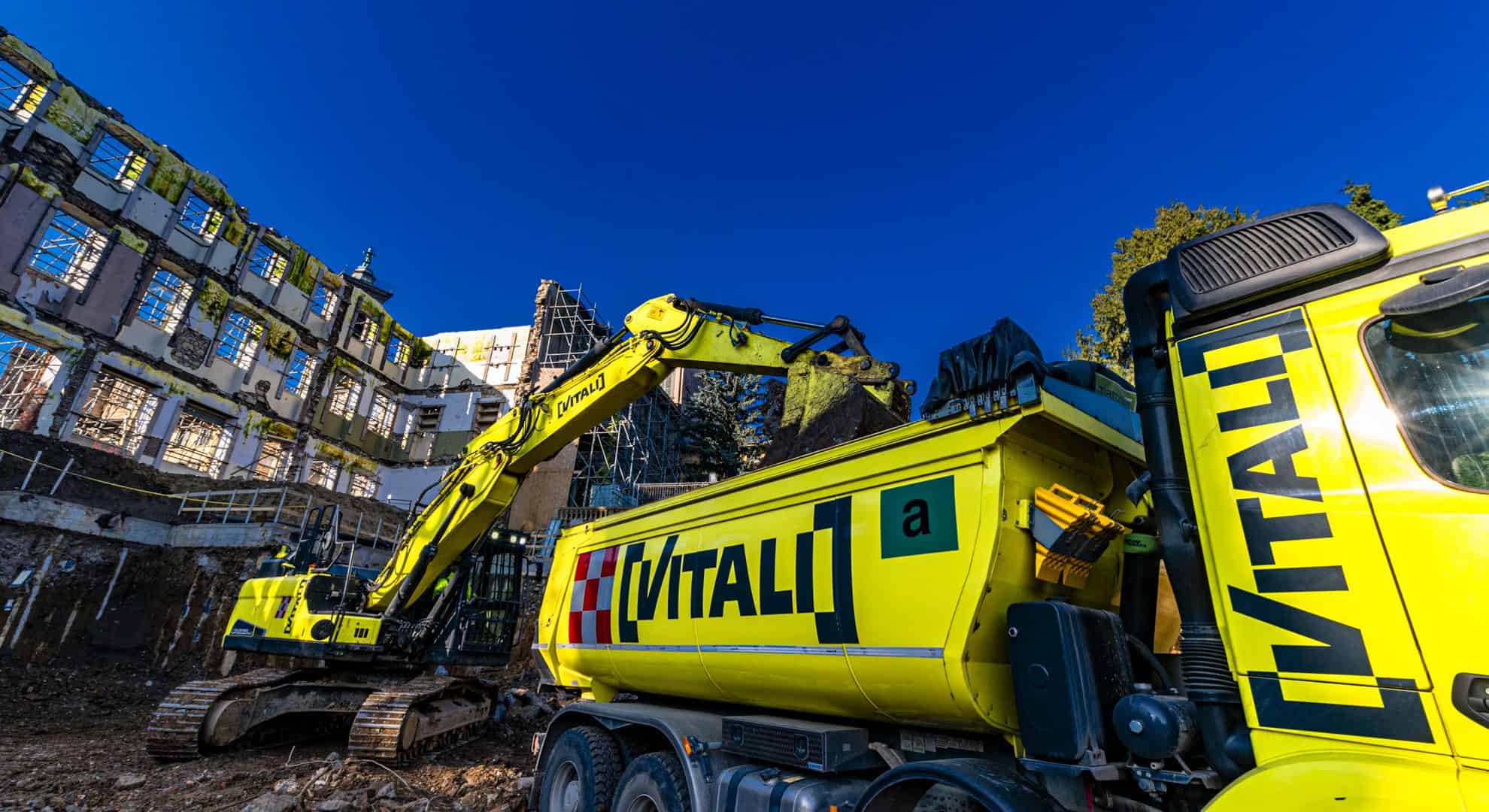
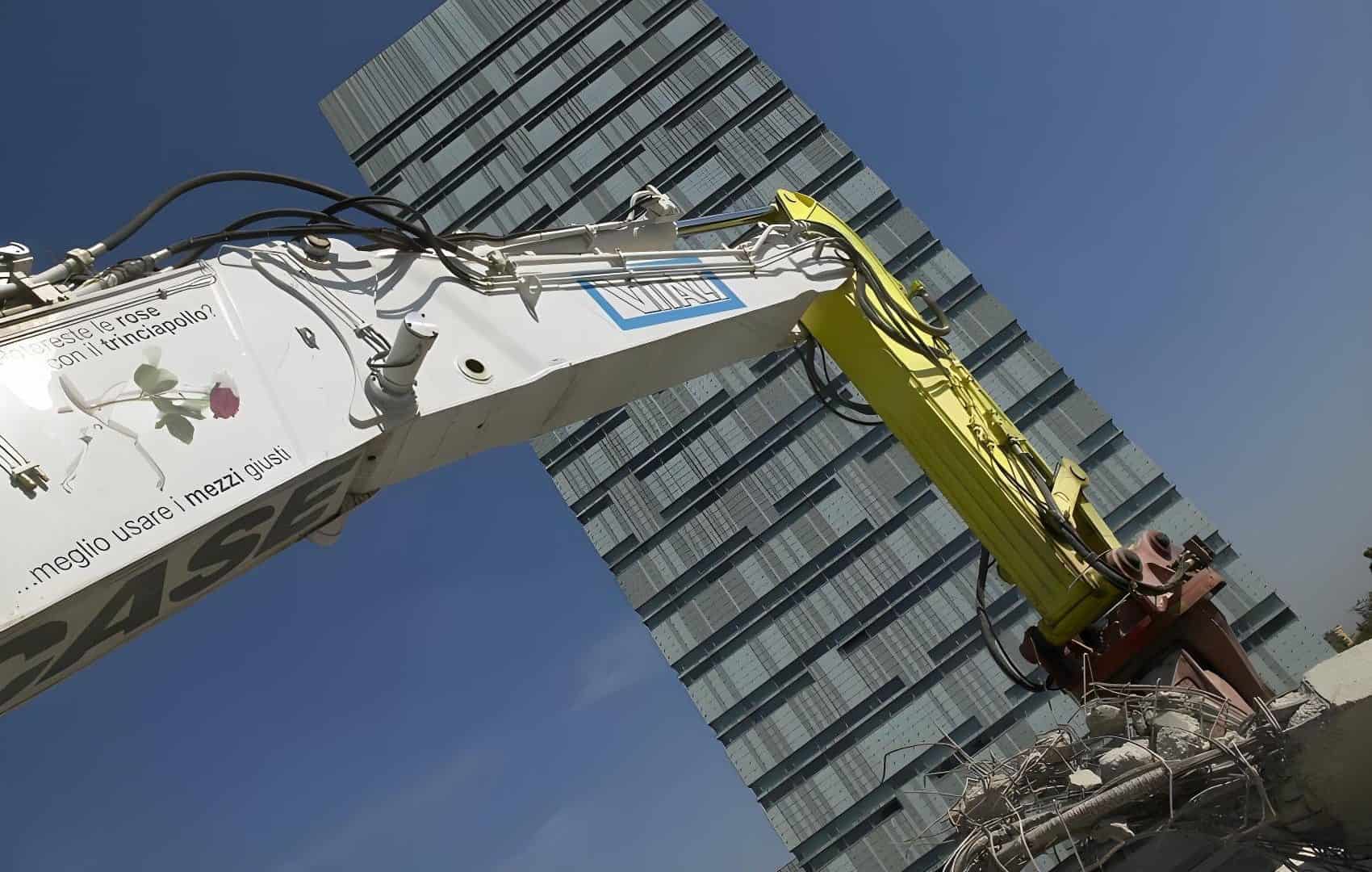
The particularly robust structures and the height of the buildings—exceeding 30 metres in some areas—required the use of specialised equipment suitable for complex high-level operations, including a 120-tonne excavator equipped with a 50-metre long-reach boom.

EQUIPMENT

120-tonne excavator equipped with a long-reach boom and, depending on the height of the buildings to be demolished, fitted with a hydraulic crusher;
No. 2 × 40-tonne excavators equipped with hydraulic crushers and hydraulic grapples;
Mobile crushing plant for on-site volume reduction of demolition debris;
Wheel loader;
Trucks.

SPECIAL CONDITIONS

Demolition works were carried out concurrently with the construction of new buildings on the same footprint as the demolished structures. All operations were executed without limiting or slowing down RCS’s normal business activities.

Demolished volume 161.500 mq
Height 30 m
Duration of intervention 11 months

Via Cadolini 26

Deindustrialisation and redevelopment in the city of Milan

The intervention in Via Cadolini is not only the demolition of a disused industrial building, but can be configured as an intervention of recovery and regeneration. The former Plasmon factory, which had in the fabric of Milan one of its focal points, was built in the late 1950s and represented, for decades, one of the most important production sites in northern Italy.

The area, spread over an area of just over 25,000 square meters, consists of four main buildings and will be the subject of a major and bold redevelopment. This operation, which will see the rise of new buildings purely for residential/commercial use, will bring with it multiple advantages: the recovery of an area now in disuse, without occupying new land, and the restitution of a large urban space to the city of Milan, while at the same time giving rise to a more livable and human-scale place.

Demolished area 25.000 sqm
Demolished volume above ground building 160,000 m³
Demolished volume underground buildings 20,000 m³

Zingonia Towers

An initiative against urban decay

The demolition of the Zingonia Towers entrusted to the Vitali Group by ILSPA (Infrastrutture Lombarde) saw us at work between May and June 2019.

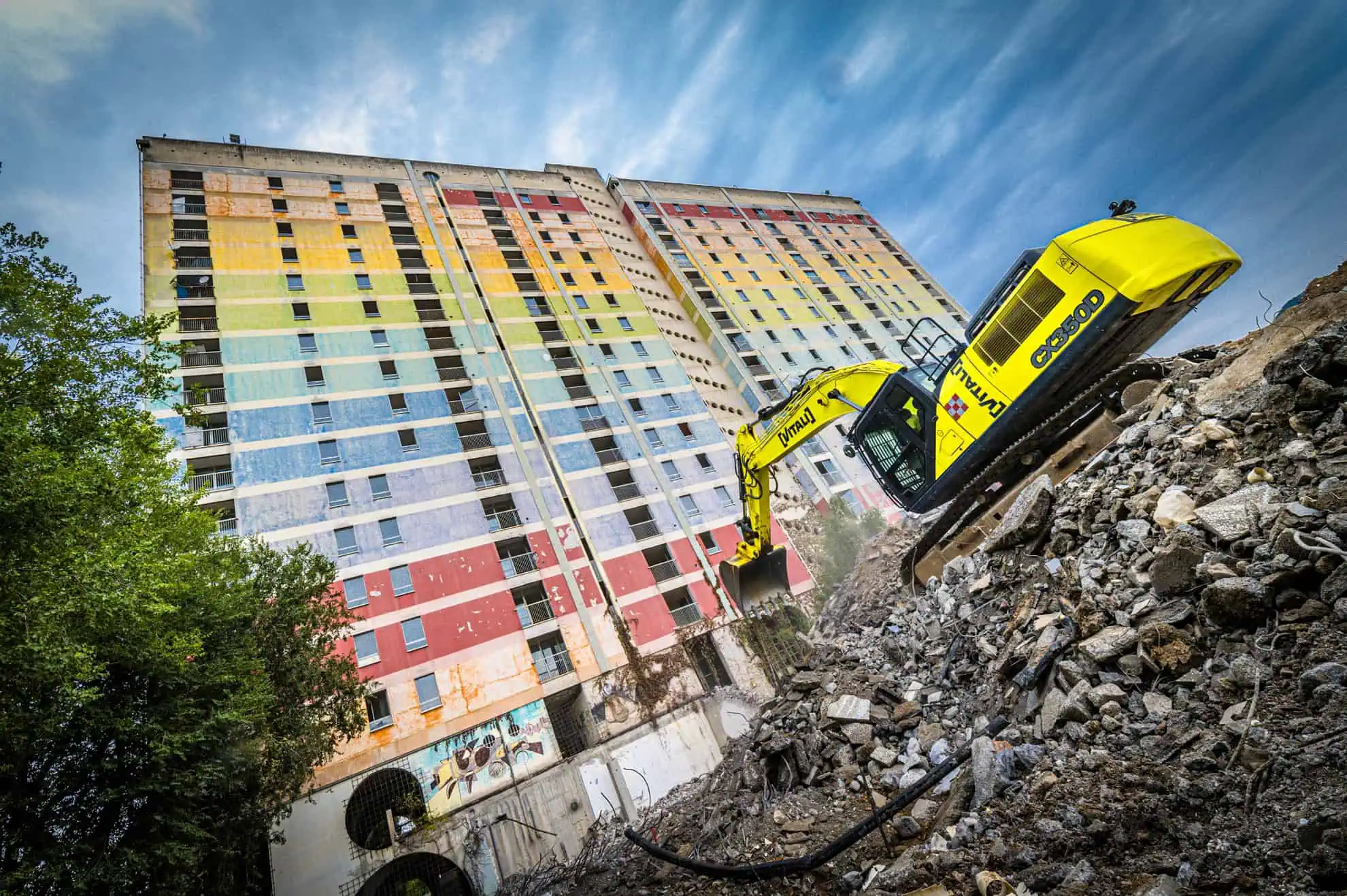
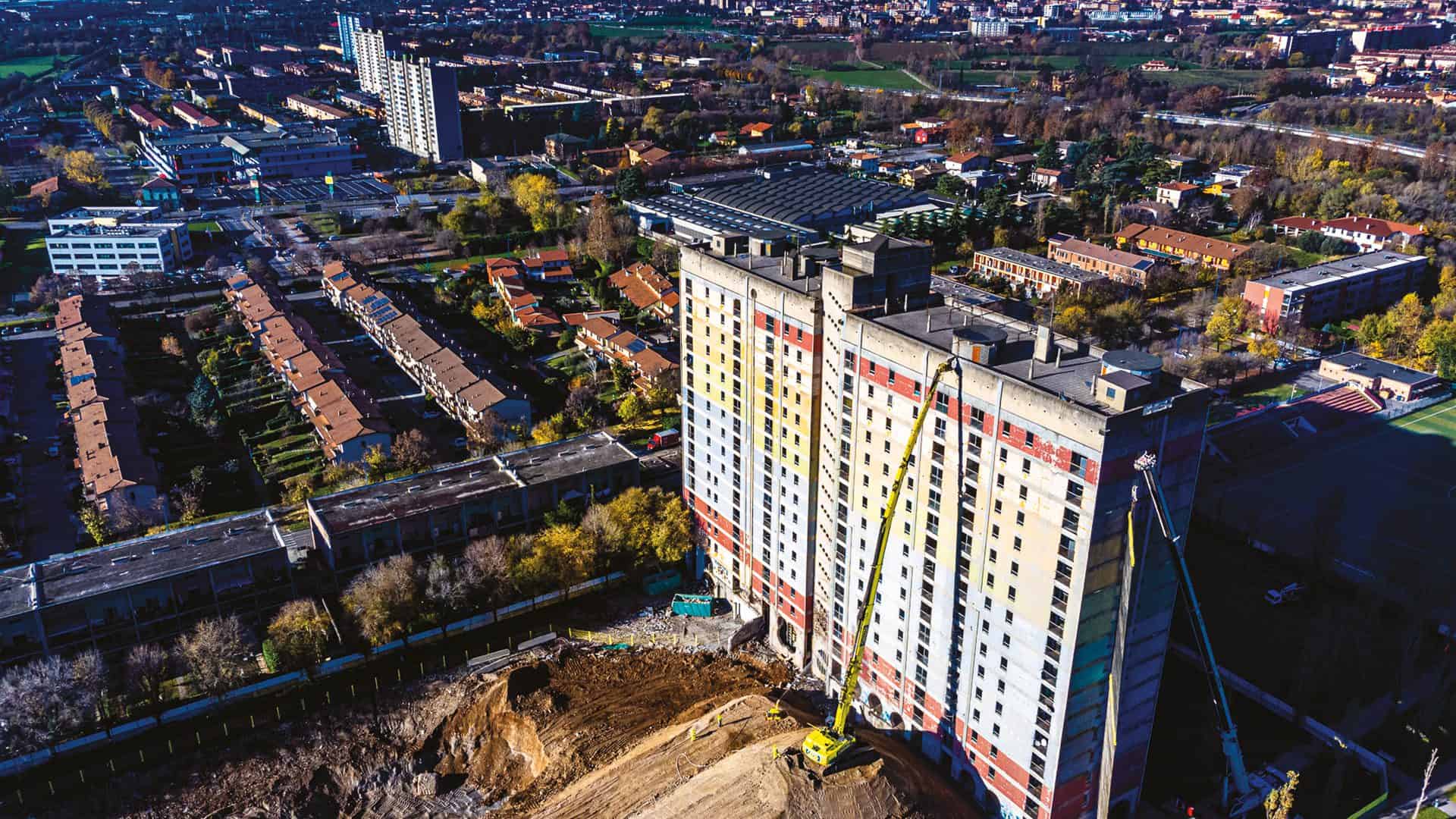
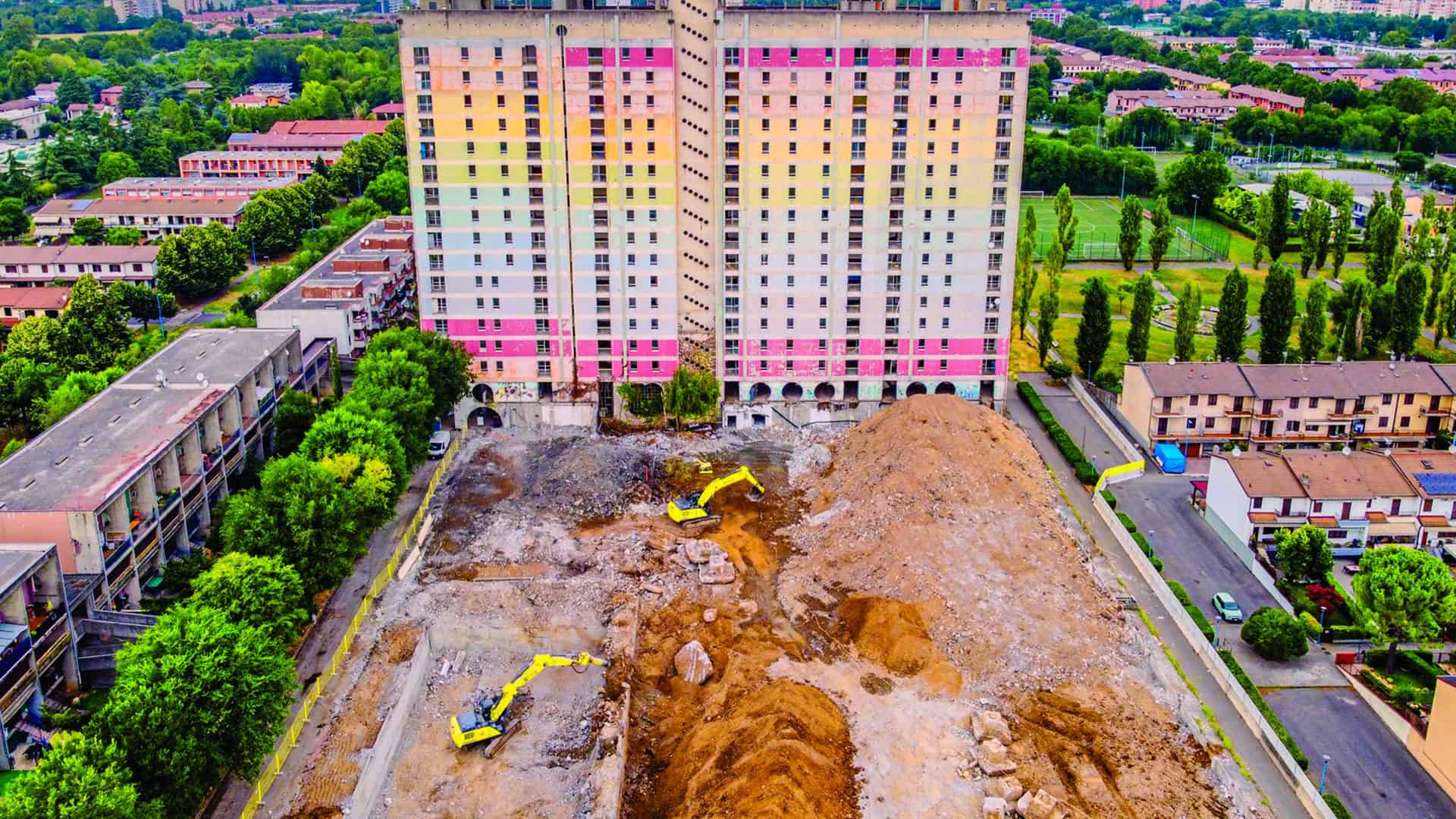
In a month and a half, the 6 buildings that had been places marked by decay and squatting for years were demolished. Only 50 days to make a clean slate of the Anna and Athena complexes. Rubble removal works are underway now, but we can still speak of a real record if we consider that the timeframe, from the announcement, was 270 days to carry out the works. The construction site covered an area of about 20,000 sq. m. A total of 6 buildings of 9 floors each for a height of about 30 mt. In total, this is about 53,700 cu m above ground and 8,300 cu m within ground.

Demolished volume 62,000 m³
Demolished area 20,000 sqm
Buildings 6

Torre Tintoretto

Torre Tintoretto: making way for a new concept of home

A new way of living: more inclusive, more sustainable, more collaborative. It is inspired by these values that the demolition and subsequent reconstruction of the so-called Tintoretto Tower is grafted on.

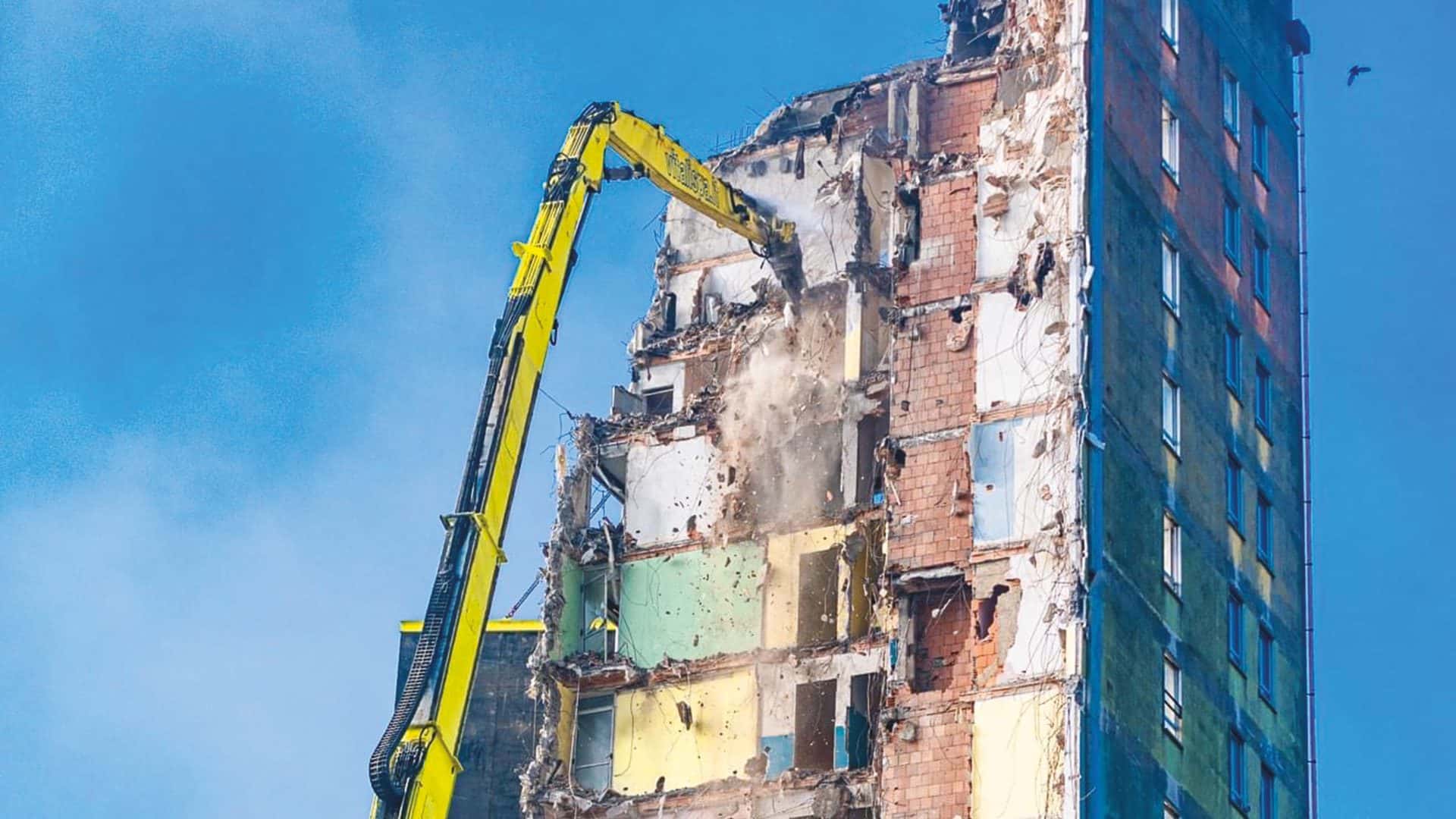
Kicking off in July 2022, the construction site has seen the gradual demolition of the building and redevelopment of the area, and marks a historic moment for the entire city. Redo Sgr’s project envisions that the 18 floors of the Tower will give way to six buildings with 270 newly designed apartments: class A, partly rented in social housing, which will become an expression of a new living culture, with common spaces available to tenants, two semi-public courtyards open to the neighborhood, stores and services, green areas, children’s playgrounds, paths and fitness areas.

Demolished volume 30,000 m³
Height 60 m
Housing units 195

Bergamo Porta Sud

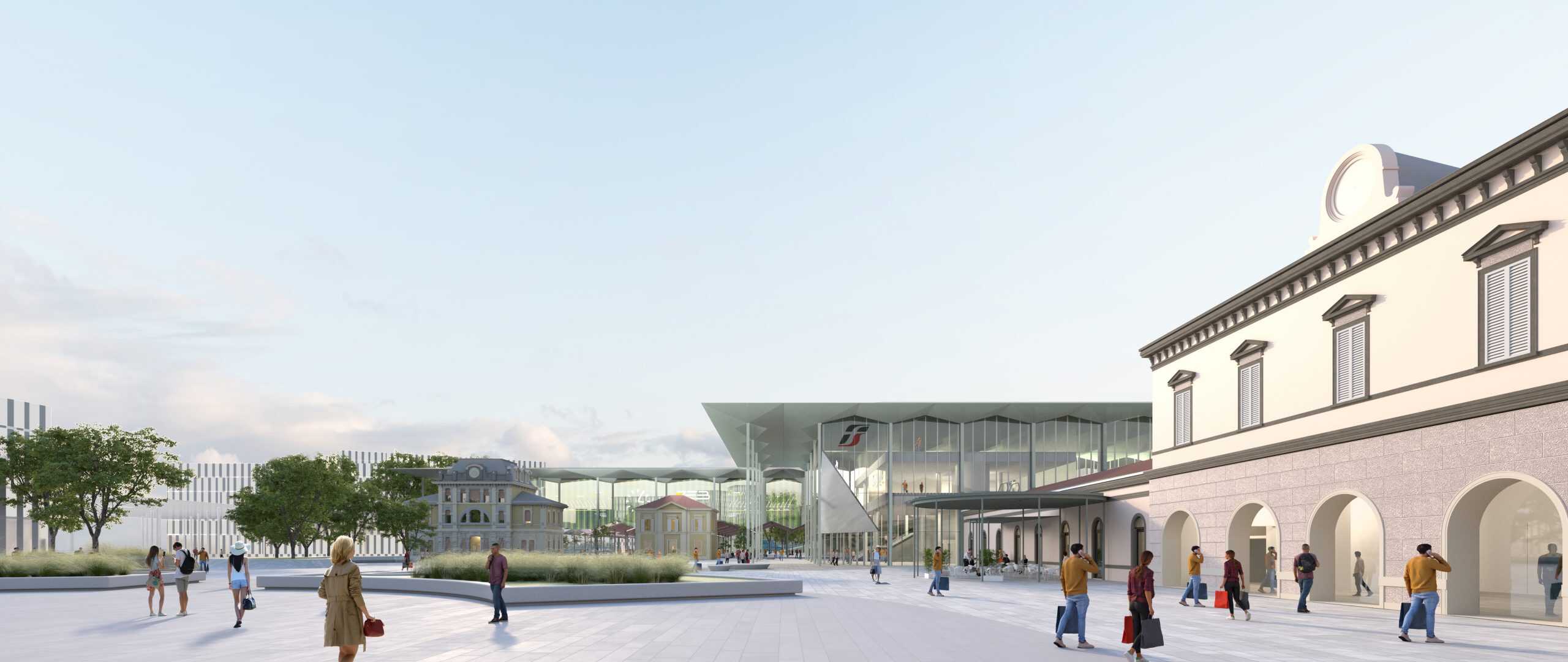
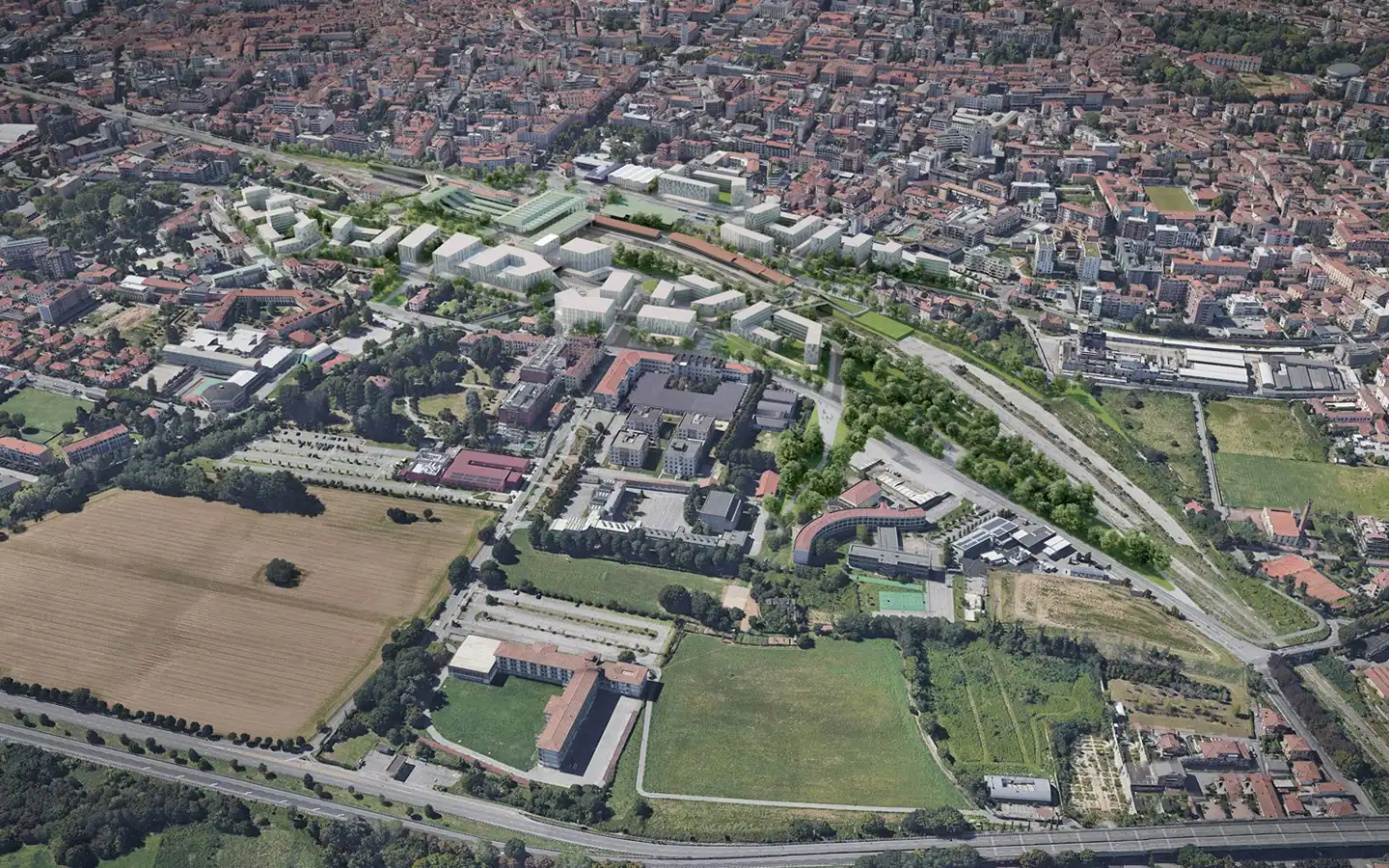
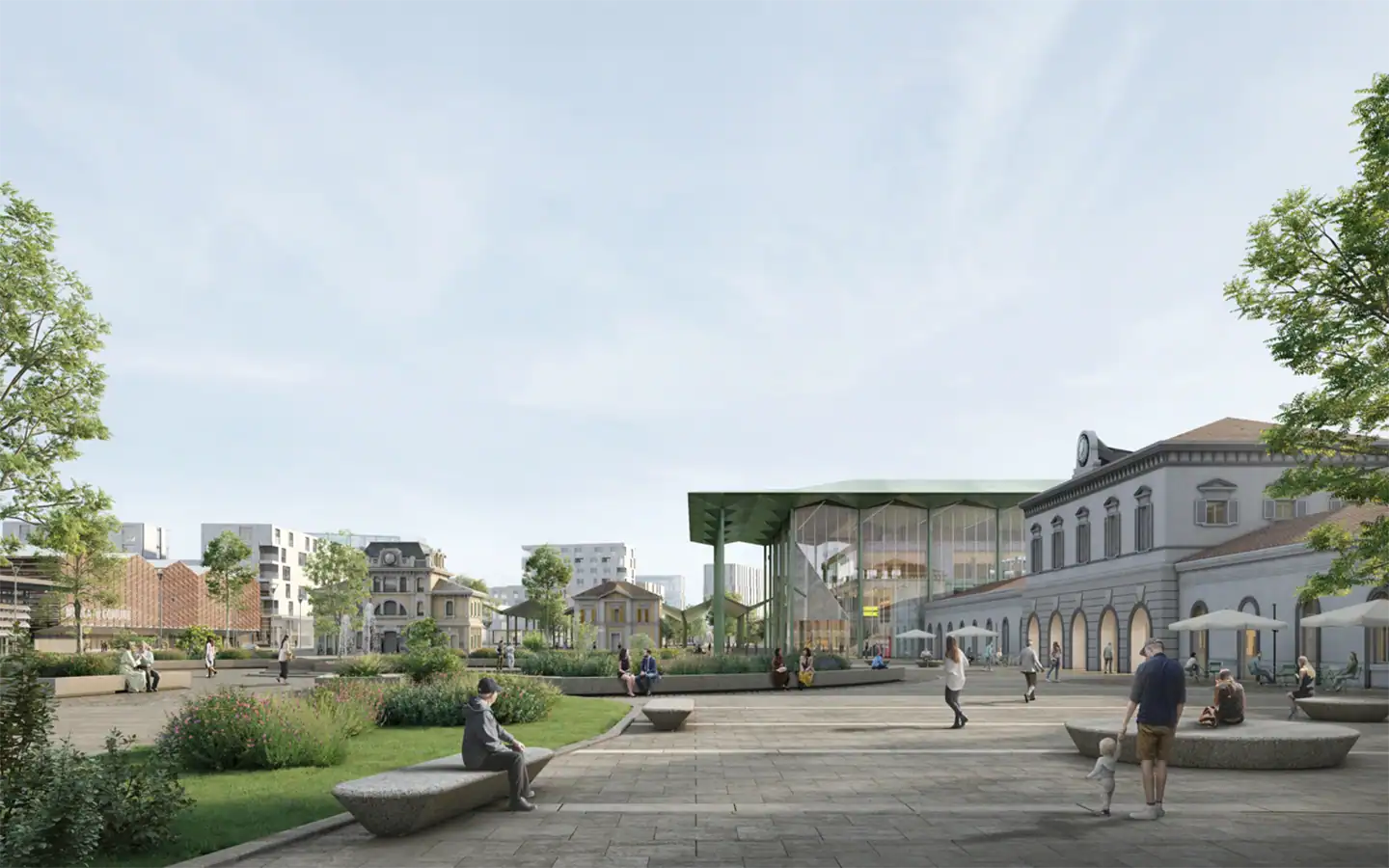
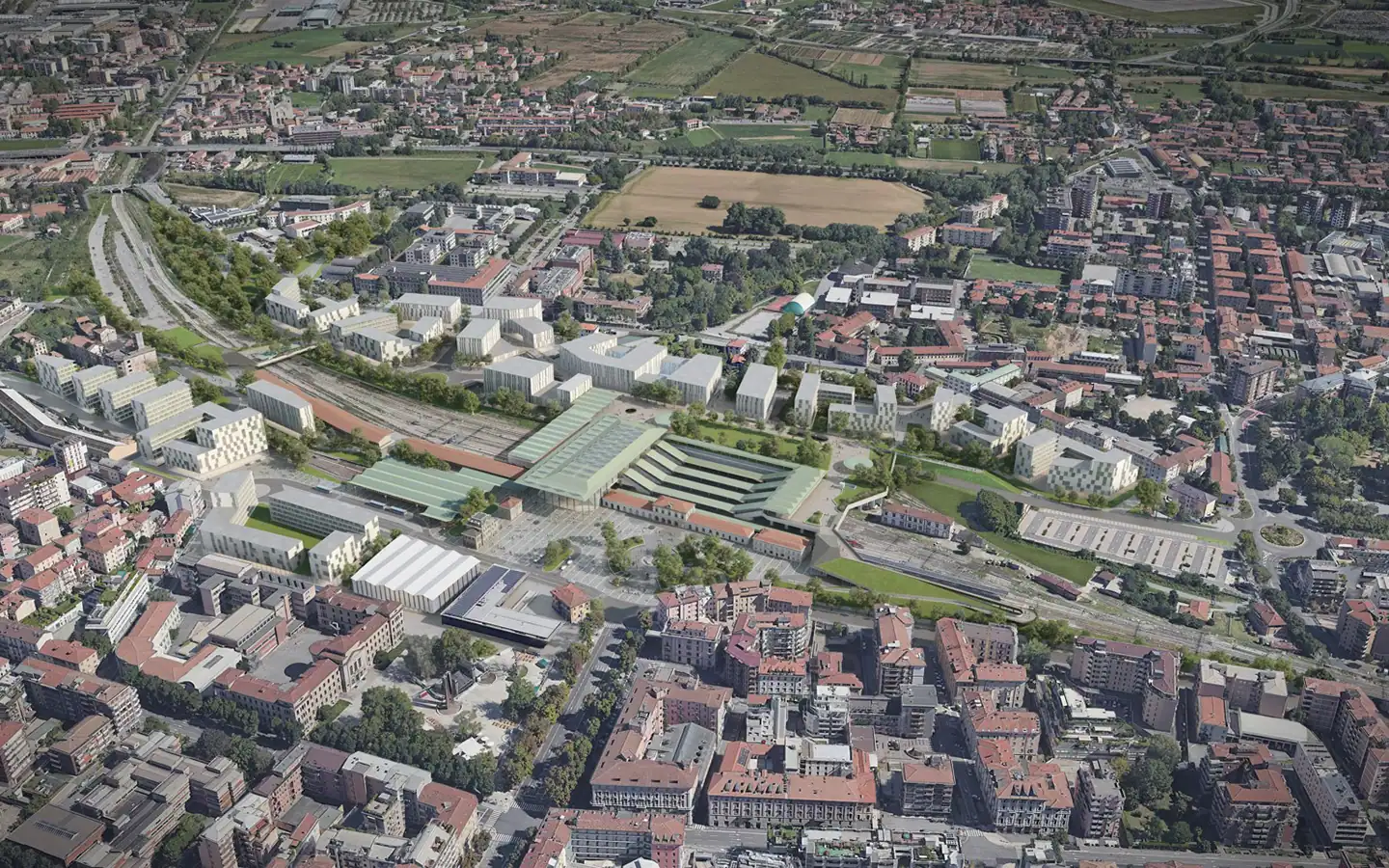
Porta Sud: a new smart district for Bergamo

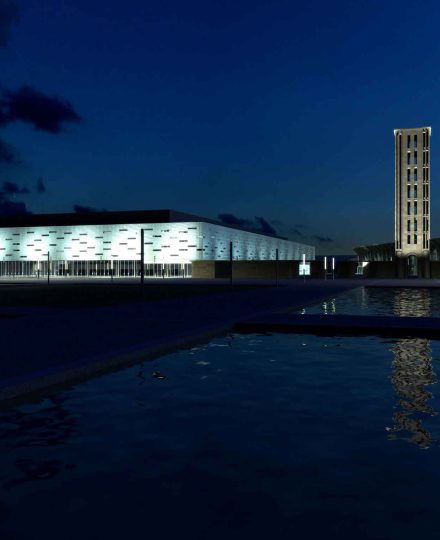
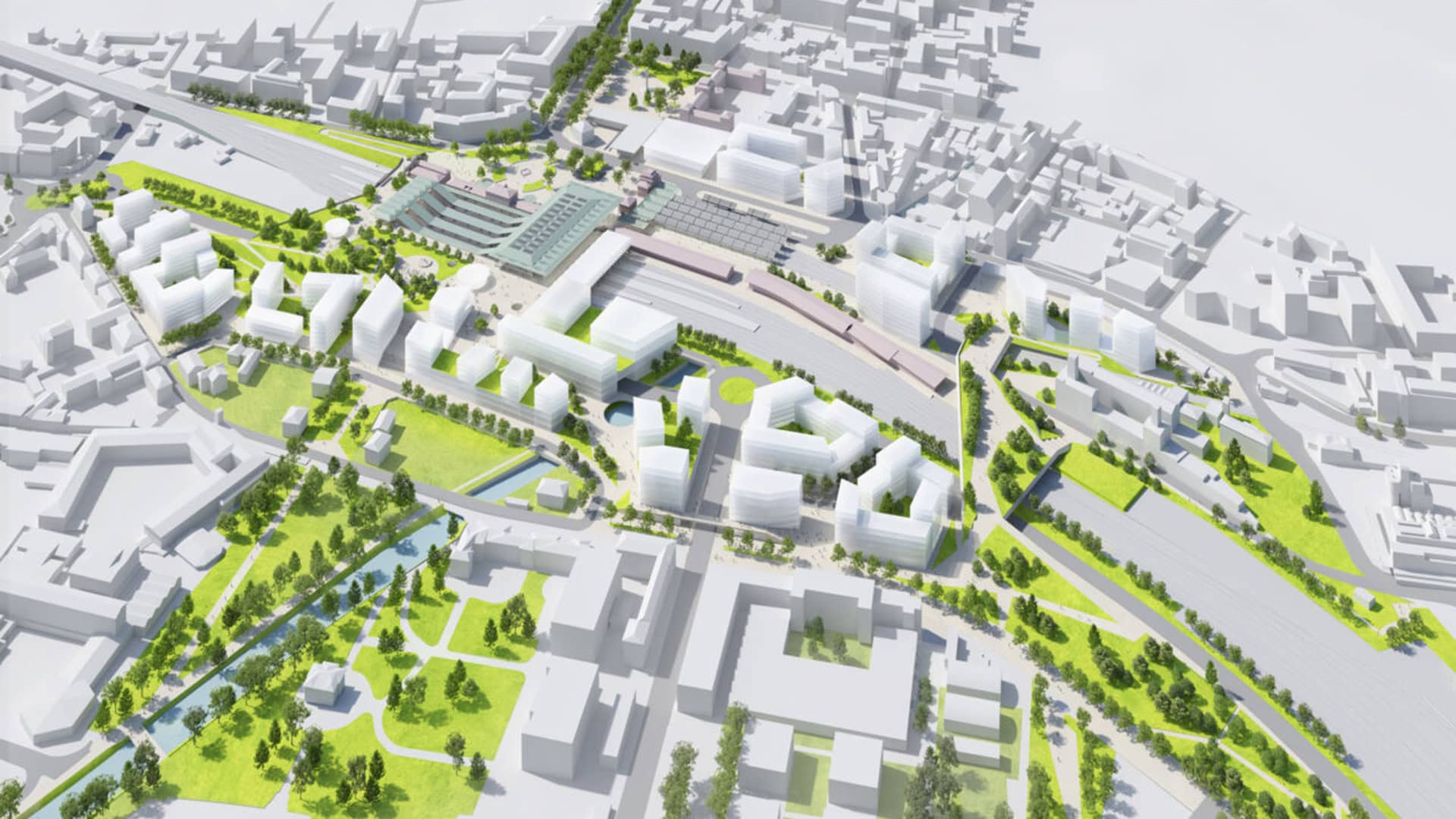
The proposed Project involves the redevelopment and enhancement of a large urban area in the City of Bergamo of more than one million square meters straddling the railway axis and the urban railway station.

The project intervention will see as a unified element the overcoming of the barrier of the railway axis (now a divisive element of the city) and the organic reconnection of the part of the city south of the railway axis with the Piacenza center. The road layout will be improved and integrated, creating more effective and rapid connections between the different transport systems present, and the planivolumetric scheme of the areas will be redesigned by subdividing and distributing the lots and functional destinations in an organic and integrated way so as to enhance the areas and create urban areas of high quality. With the advent of the third millennium, cities around the world have become the subject of special attention and study, so much so that this era has been called “the century of cities.” Within this global scenario, which recognizes a new and dominant role for the most urbanized realities, the city of Bergamo has accepted the challenge of change and transformation from a smart city perspective. Therefore, the main objective will be to improve the lives of citizens, managing to reconcile and meet their needs with those of businesses and institutions in the fields of technology, mobility, environment and energy efficiency.

SL 180.000 smq
Area 300.000 smq
Open spaces 30.000 smq
Design studio ARUP, Cino Zucchi Architetti, Attilio Gobbi Architettura, Systematica, Edison Next, Archiland
Back to top